
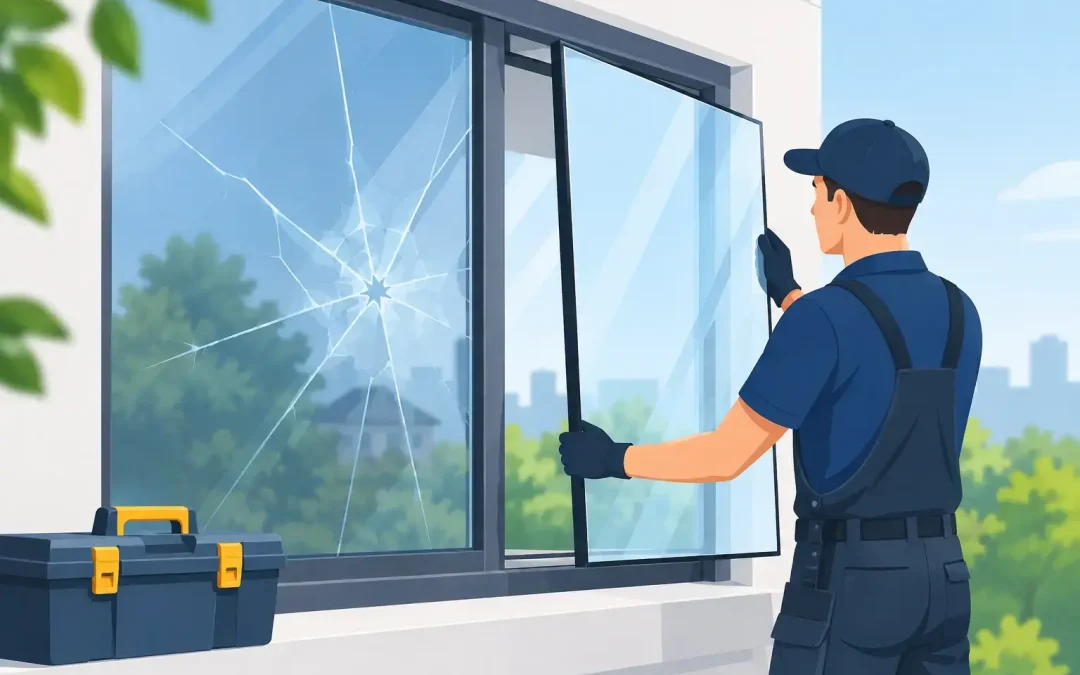
A cracked window beside the kids’ play area, a shattered shopfront, or a shower screen that has suddenly given way is not a job to put off until the weekend. Glass replacement restores safety, security and day-to-day comfort, but the right solution depends on where the glass is, how it was damaged and whether the surrounding frame is still sound.
For Auckland homes and businesses, the priority is usually simple: make the area safe, secure the property, and get the correct glass fitted without unnecessary fuss. Here is how to tell when replacement is the sensible call and what to expect from the process.
When does glass need replacing?
Not every mark in glass means a full replacement is needed. Minor surface scratches on some glass types may be less noticeable after professional treatment, and a small issue around a frame may be fixable before the pane is affected. Cracks, chips, holes and shattered panels are different. Glass cannot be patched back to its original strength once it has cracked.
A crack can spread with changes in temperature, movement in the frame, wind pressure or a knock from everyday use. Even a small crack near the edge of a window or door is worth taking seriously because the edges carry a lot of stress. In a busy household, a damaged pane also creates a clear safety risk for children and pets.
Replacement is generally the right option when the glass is cracked through, broken, loose in its frame, badly chipped, cloudy between double-glazed panes, or no longer providing security. It is also the practical choice when older glass does not meet the safety requirements for its location, such as a door, low-level window, shower area or glass balustrade.
Glass replacement starts with making the area safe
If glass has broken, keep people away from the area first. Put shoes on before walking nearby, keep children and pets in another room where possible, and avoid touching loose shards or pushing on damaged glass. A cracked panel can fail with very little warning.
For a broken window or door, move furniture, stock or valuables away from the opening if it is safe to do so. Avoid using tape as a long-term fix. Tape may hold small fragments temporarily, but it does not restore the strength of the pane or secure your property. Cardboard, plywood or a temporary board-up may help protect an opening until replacement glass can be fitted.
Commercial premises have an extra consideration. A damaged shopfront or office window can affect security, staff safety and customer access. Getting the opening assessed promptly helps prevent a small breakage becoming a larger disruption to the business.
Choosing the right replacement glass
Replacement glass should match more than the size of the old pane. A qualified glazier will look at the location, the frame, how the panel is used and the relevant safety needs before recommending the right type.
For standard windows, clear float glass may be suitable in some areas. However, doors, sidelights, bathrooms and low windows may require safety glass. Toughened glass is designed to break into small, less harmful pieces if it fails. Laminated glass has an interlayer that helps hold broken pieces together, which can improve safety and security.
The best option depends on the job. Toughened glass is a common choice for shower screens and many doors, while laminated glass can be useful where holding the panel together after impact is valuable. Double glazing may be worth considering for windows where reducing outside noise, condensation or heat loss is a priority. It costs more than a single pane, so it makes most sense when the frame and the wider window set-up support it.
Appearance matters too. A replacement does not have to be plain clear glass. Obscure glass can give bathrooms and entry areas privacy while still letting in light. Tinted, patterned and frosted options can suit particular rooms or business spaces. For tabletops and custom mirrors, the thickness, edge finish and support underneath are just as important as the look.
Why accurate measuring matters
Glass is not a material where close enough is good enough. Frames can be out of square, older timber can shift over time, and aluminium systems have specific clearances. Measuring the opening properly helps ensure the new pane sits correctly, seals well and has room to move as temperatures change.
This is especially important for custom shower glass, glass tabletops, mirrors and pet-flap installations. A pet flap in an existing glass door usually requires the right panel to be supplied or modified for the opening. Trying to cut a hole into toughened glass after it has been made is not an option, as it can shatter.
Common jobs that call for replacement
Windows are the most obvious example, but glass damage turns up in plenty of other places around a property. A bathroom mirror with a growing crack may not create the same security problem as a broken window, but it can still be unsafe. A chipped glass tabletop can catch clothing, cut hands and weaken further around the damaged edge.
Shower screens deserve prompt attention. Damage around hinges, corners and fixings can place extra pressure on the glass. If a screen is wobbling, chipped or cracked, stop using it until it has been assessed. Water on tiles plus loose glass is a combination nobody wants to deal with.
For landlords and property managers, quick action helps protect tenants and reduce avoidable damage from weather or unauthorised access. Clear communication around measuring, quoting, access arrangements and installation timing makes the job easier for everyone, particularly when a tenant, owner and insurer are all involved.
What a professional glass replacement visit involves
A straightforward replacement begins with an assessment of the damaged panel and its frame. The glazier checks the glass type, takes accurate measurements and looks for the cause of the breakage. This matters because replacing a pane without addressing a damaged frame, loose fitting or door alignment issue can lead to another break later.
You should receive a clear explanation of the recommended glass and a quote before the work proceeds. Some common glass sizes may be available quickly, while custom pieces, special finishes and made-to-measure safety glass can take longer. The honest answer is that turnaround depends on the glass specification and the scale of the job.
On installation day, the old glass is carefully removed, the frame is prepared and the new panel is fitted with the appropriate seals, beads or fixings. A good installer checks that windows and doors operate correctly once the work is complete, removes broken glass and leaves the area tidy. That cleanup is not a small detail when fragments may have travelled further than expected.
Glass Direct brings more than 28 years of glazing experience to Auckland jobs, from broken household windows to commercial glass and made-to-measure shower panels. The aim is to make the process clear: assess the damage, measure properly, fit the right solution and leave you with a safe, clean result.
Can you prevent future glass damage?
Some breakages are simply accidents, but a few practical checks can lower the risk. Keep doors from slamming in strong winds, check that latches and rollers are working properly, and do not lean heavy items against glass panels. Trim branches that regularly strike windows, particularly in exposed spots.
If a window has cracked without an obvious impact, do not assume it is bad luck. Frame movement, incorrect installation, heat stress or pressure from a sticking door can all play a part. Asking a glazier to identify the likely cause can help you avoid paying for the same replacement twice.
When the glass is broken, the next step does not need to be complicated. Keep the area clear, take note of what has happened, and arrange a professional assessment. The right replacement gives your home or business back its security and lets you get on with the rest of the day.