
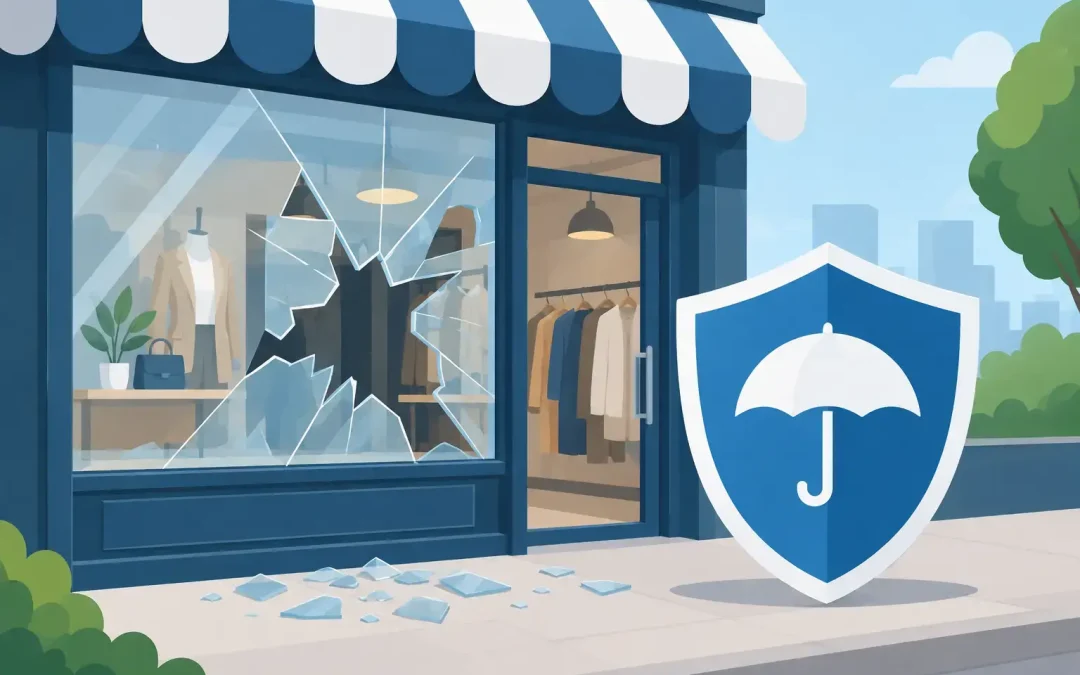
A smashed shopfront is not just a glass problem. It can leave your business exposed to weather, theft and an unwanted interruption to trading. So, do insurers cover shopfront glass? Often, yes – but the answer depends on the cause of damage, the cover in your business policy and the excess you have agreed to pay.
The most useful first step is to make the premises safe. Arrange an urgent make-safe repair or board-up if needed, take clear photos, then contact your insurer or broker to check how they want the claim handled. The paperwork matters, but so does getting the opening secured quickly.
When insurance may cover shopfront glass
Many business insurance policies include cover for accidental breakage of fixed glass. This may sit under a section called glass cover, contents cover, business pack cover or accidental damage. It can apply to shopfront windows, entry doors, display panes and sometimes signs or internal glass partitions.
A broken pane caused by vandalism, an attempted break-in, a thrown object, storm debris or an accidental impact is commonly the kind of event a policy is designed to help with. If someone backs into the window, a delivery trolley strikes the glass, or a passer-by causes accidental damage, there may also be cover available.
The key word is “may”. Policies are not all built the same way. A café with a large glazed frontage, a retail shop in a busy strip and a commercial office can each have different policy limits, exclusions and excesses. Even where glass damage is covered, the insurer may have conditions around who completes the repair and what information is needed before permanent replacement work goes ahead.
For tenants, there is another detail to check: who is responsible for the glass under the lease? In some commercial leases, the tenant insures plate glass. In others, the landlord arranges building cover and may recover the cost through outgoings. Do not assume the owner’s policy will automatically deal with it. Check the lease and speak with the property manager as soon as you can.
What insurers usually need after broken shopfront glass
Insurance claims move more smoothly when the details are clear. Your insurer will generally want to know when the damage happened, how it happened and what was damaged. If there has been a break-in or deliberate vandalism, report it to police and keep the event number.
Take photos from inside and outside before the area is cleaned up, provided it is safe to do so. Photograph the broken pane, the frame, any damage to locks or doors, and the surrounding area. If stock has been stolen or damaged, document that separately as well.
Keep invoices for emergency glazing, temporary boarding and clean-up. An insurer may ask for a quote before approving a full replacement, particularly if the original glass was specialised, oversized, tinted, toughened or laminated. If your insurer has a preferred repairer process, ask whether you need an approved supplier before booking the permanent job.
It is still sensible to secure the site straight away. Most policies expect you to take reasonable steps to prevent further loss after an insured event. Leaving a shattered window open overnight can create a much bigger problem than the original broken pane.
Make-safe work versus full replacement
A make-safe service is about restoring security quickly. Depending on the opening and available materials, that could mean removing dangerous loose glass, fitting temporary boarding or installing replacement glass where the right product is available.
The final replacement may need a second visit if the glass has to be cut or ordered to size. Shopfront systems can use toughened safety glass, laminated glass, double glazing or custom panels. Rushing the wrong product into a commercial frame can lead to compliance, safety or fit issues later.
A qualified glazier can assess the opening, measure accurately and explain whether a temporary solution is needed first. That gives you a clear scope of work to provide to the insurer while keeping your premises protected.
When a claim may be declined or not worth making
Insurance is not a blank cheque for every cracked or damaged pane. General wear and tear, poor maintenance and gradual deterioration are usually excluded. For example, an old cracked panel that worsens over months is less likely to be treated the same way as glass shattered in a one-off impact.
Damage caused deliberately by the policyholder, or by someone acting with their permission, will not normally be covered. There can also be exclusions for defective workmanship, faulty installation, pre-existing damage or damage occurring while the premises were unoccupied beyond the period allowed by the policy.
The excess is just as important as the cover. If your glass excess is $750 and a straightforward replacement costs close to that amount, making a claim may not make financial sense. You may still choose to notify the insurer, especially if there is related damage to stock, locks, alarms or the building, but ask what the claim will involve before proceeding.
A claim can also affect future premiums or your claims history. That does not mean you should avoid claiming after a serious break-in or costly repair. It simply means the decision should be based on the full cost of the incident, not the broken glass alone.
Does insurance cover upgraded safety glass?
Usually, an insurer’s role is to return you to a comparable condition, not fund a complete upgrade. If the original shopfront used standard toughened glass, the insurer may approve an equivalent replacement. If you want to move to thicker laminated security glass, add manifestation, change the framing or redesign the whole frontage, you may need to pay the difference.
That said, an upgrade can be worth discussing after repeat vandalism or attempted break-ins. Laminated glass is designed to hold together after impact, which can help keep an opening closed even when the glass is damaged. It is not indestructible, and it is not right for every frame, but it can buy valuable time and reduce the immediate exposure of the premises.
Your glazier can provide options that fit the existing system, while your insurer can confirm what portion of the cost is covered. Keeping those two conversations separate helps avoid surprises.
How to make a shopfront glass claim easier
The best time to understand your cover is before something goes wrong. Read the product disclosure statement and schedule, looking for glass, accidental damage, theft, vandalism and storm cover. Check the excess, any limit for glass claims and your obligations after an incident.
Keep your policy number, insurer’s claims phone number and landlord or property manager contact details somewhere staff can access them. If a shopfront is damaged after hours, your team should know who can authorise emergency work and who needs to be notified.
It also helps to keep simple records of previous repairs, especially if a glass panel has been damaged more than once. Insurers may ask about prior incidents, and a clear record helps show what happened and when.
For business owners, the priority is straightforward: remove the immediate hazard, protect the premises and get reliable advice before authorising work that may not be covered. Broken glass does not need to keep your doors shut for longer than necessary. A prompt make-safe repair, good photos and an early call to your insurer put you in the strongest position to get back to business.