
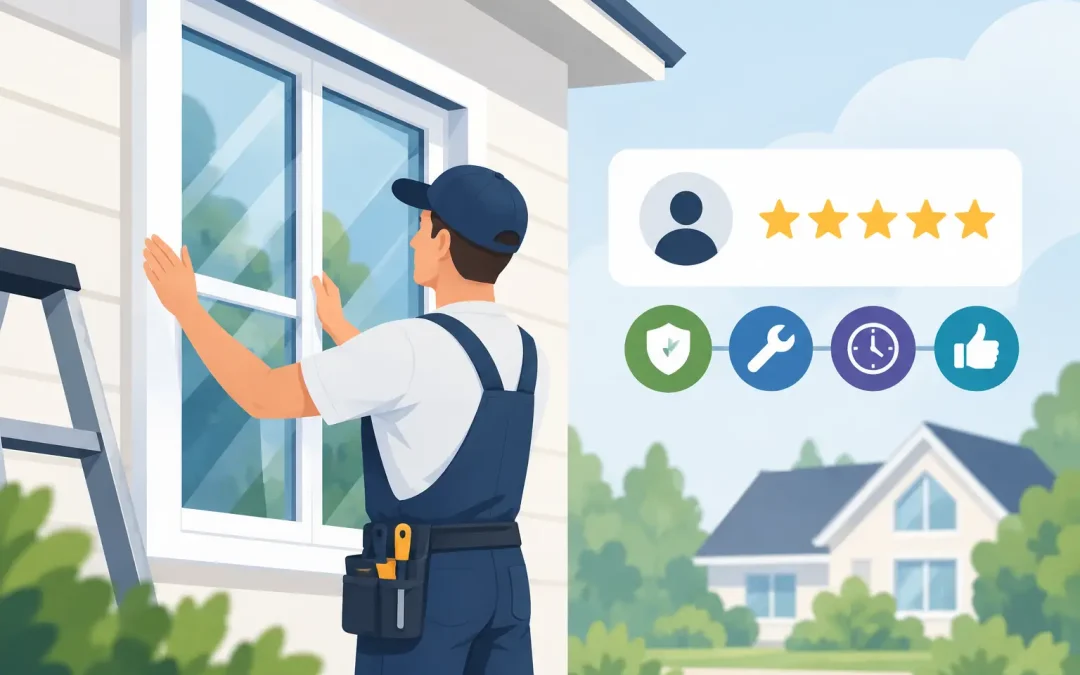
A broken window is not the moment to spend hours scrolling through window installer ratings. You want the glass made safe, the property secured and a clear answer on what happens next. Ratings can help you choose well, but the star number alone rarely tells the full story.
A five-star average may reflect great workmanship, fast communication and tidy installers. It can also hide a small number of reviews, jobs that were very different from yours, or feedback written before a problem had time to show up. The useful part is learning how to read reviews for the details that affect your home, rental, shop or office.
What Window Installer Ratings Can Tell You
Ratings are most helpful when they show a consistent pattern across recent reviews. Look for customers mentioning that the installer arrived when promised, explained the work plainly, measured carefully and left the area clean. These things matter whether you need a cracked pane replaced, a new mirror fitted, shower glass installed or a pet flap added to an existing glass door.
For urgent repairs, pay close attention to comments about response times and communication. A smashed window can create a safety and security issue, especially with children, pets, tenants or customers nearby. Good feedback should show that the company responds promptly, makes the damaged area safe and keeps the customer informed if replacement glass needs to be ordered.
Reviews can also reveal how a business behaves when the job is not straightforward. Some panes need custom sizing. Safety glass may be required. A frame might have hidden damage, or access may be difficult. The most reassuring reviews do not promise that every job is instant or cheap. They describe an installer who identifies the issue, explains the options and follows through.
Read Beyond the Star Rating
A high average rating is a starting point, not a final decision. Check how many reviews sit behind it and when they were posted. Ten excellent reviews from several years ago are less useful than a steady run of detailed, recent feedback.
Read a mix of five-star, four-star and lower-rated comments. Four-star reviews can be particularly helpful because they often explain a small inconvenience without the emotion of a serious complaint. Perhaps a special pane took longer to source, but the communication was good. That is a more realistic measure of service than a perfect score with no detail.
Also look at how the business responds to criticism. A calm, practical reply that acknowledges a concern and offers to sort it out is usually a positive sign. Be cautious of a company that argues publicly, blames every customer or gives no response at all to repeated concerns about the same issue.
Match the review to your job
Not every glazing job carries the same risks. A review for a decorative glass tabletop may say little about how an installer handles an emergency shopfront repair. Likewise, a business that is excellent at supplying new windows may not be set up for fast repairs to a broken bathroom window.
Look for reviews that resemble your situation. Homeowners may value respectful tradespeople, careful work around furnishings and proper cleanup. Landlords and property managers may need reliable booking times, clear invoices and easy coordination with tenants. Business owners may be focused on securing the premises quickly and limiting disruption to trading.
The wording matters. Comments such as “they turned up on time” or “the job was done quickly” are useful, but look for evidence behind them. Did the reviewer mention a measure and quote? Were they told when the glass would arrive? Was broken glass removed safely? Were the installers considerate in an occupied property? Specific details are harder to fake and more useful when comparing providers.
Signs of a Reliable Glazier in Reviews
The best reviews tend to describe the whole service, not just the finished pane. Glass installation starts well before the installer arrives and ends after the work area is cleared. A reliable business should make that process feel straightforward.
First, check for clear communication. You should be able to explain what has happened, send photos if needed and receive a sensible next step. If a site measure is required, the company should say so. If the job needs custom glass, they should be honest about the likely timing rather than making promises they cannot keep.
Second, look for care and safety. Broken glass should be handled properly, with the area made safe and rubbish removed. For replacement work, accurate measuring matters. A poorly measured pane can cause delays, gaps or a finish that does not sit properly in the frame.
Third, consider professionalism on site. Good reviews often mention friendly staff, neat work and respect for the property. That is not an optional extra. When tradespeople are working in a family home, a tenanted property or a busy workplace, courtesy and cleanup make a real difference.
Finally, look for experience across the sort of work you need. General repair experience is valuable, but it should be relevant. Ask whether the installer handles your particular job, whether that is household glass, mirrors, shower screens, commercial glazing or a pet flap in glass.
Questions to Ask Before You Book
Ratings should narrow your choices, then a short conversation should confirm them. You do not need glazing knowledge to ask useful questions.
Ask what the likely process will be from first inspection to installation. Find out whether a measure is needed before pricing, whether the quote includes removal of the old glass and cleanup, and what happens if the glass needs to be specially ordered. If the damage affects security, ask how the opening will be made safe in the meantime.
It is also reasonable to ask about timing, insurance paperwork and access requirements. For a rental, you may need an invoice that clearly identifies the property and work completed. For a commercial job, you may need the repair organised around opening hours. A capable installer will not make these questions feel like a hassle.
Be wary of vague answers, pressure to approve work immediately without an explanation, or pricing that changes without a clear reason. The cheapest quote is not always the best value if it leaves out disposal, safety work, suitable glass or a proper fit. On the other hand, a higher quote should be able to explain what you are paying for.
When a Lower Rating Is Not a Deal Breaker
No service business gets every job perfectly right. Glass can be delayed, unexpected frame damage can be found, and access issues can change the plan. A lower rating does not automatically mean you should rule a company out.
The key is whether the concern is isolated or repeated. One reviewer unhappy about a delay during a supply shortage is different from several reviewers reporting missed appointments, poor communication or unfinished work. Context matters too. Read the response, consider the type of job and see whether more recent reviews suggest the issue has been addressed.
You should be more cautious when the same complaint keeps appearing. Repeated concerns about no-shows, unsafe cleanup, inaccurate measurements or hard-to-reach staff are worth taking seriously. These are not minor inconveniences when you are dealing with broken glass.
Use Ratings to Choose With Confidence
Window installer ratings work best when you treat them as evidence, not a shortcut. Look for recent, detailed reviews from people with jobs like yours. Check for patterns in communication, punctuality, workmanship, safety and cleanup. Then speak with the installer and judge whether their advice is clear and practical.
For Auckland homes and businesses, Glass Direct brings qualified glazing experience to repairs, replacements and custom glass work, with a focus on making the next step easy to arrange. When the glass is damaged, the right choice is usually the company that gives you a straight answer, turns up prepared and leaves the space safe again.