
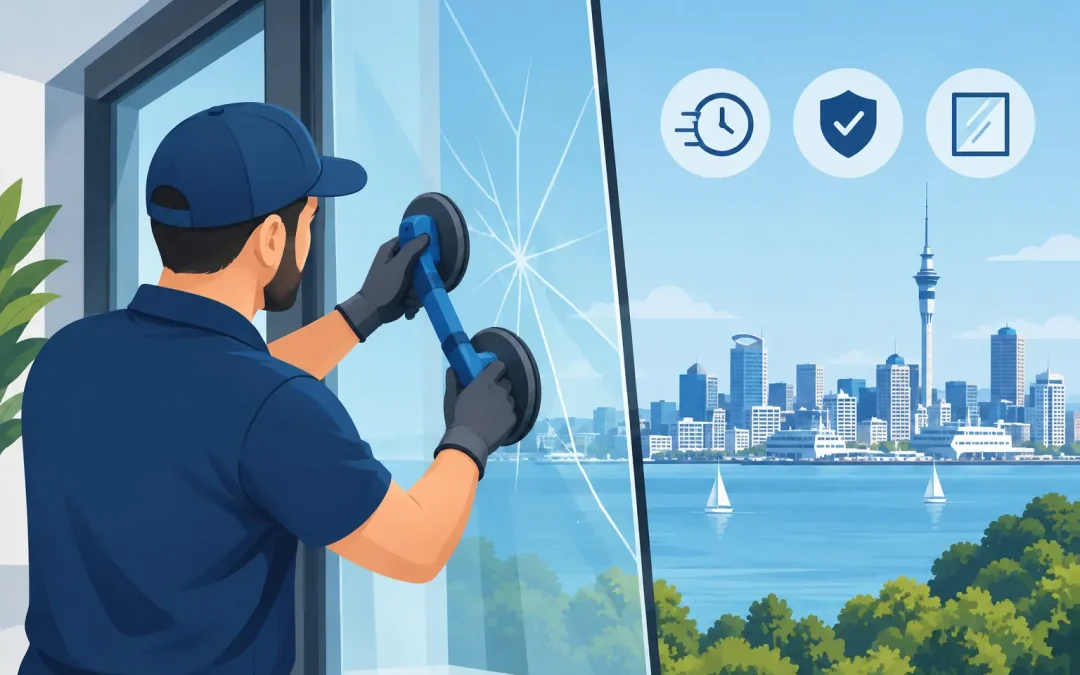
A smashed window changes the feel of a property straight away. There may be glass underfoot, rain coming in, a shopfront left exposed or children and pets who need to be kept well clear. When you need a glass repair turnaround, the priority is not only replacing the pane. It is making the area safe, securing the opening and getting a proper repair organised without unnecessary hold-ups.
For Auckland homes and businesses, turnaround time depends on the type of damage, the glass required and whether a safe temporary solution is needed first. Some common jobs can move quickly. Others need a custom-cut replacement or special safety glass, which is worth getting right rather than rushing into the wrong fit.
What affects glass repair turnaround?
The biggest factor is the glass itself. A straightforward broken pane in a common size can often be measured, quoted and scheduled promptly, particularly when the right glass is readily available. A cracked mirror, damaged glass tabletop or broken interior panel may also be relatively simple, depending on its size and edge finish.
A large window, a double-glazed unit, toughened safety glass or a commercial shopfront is a different job. These products are usually made to precise measurements, and some must be manufactured before they can be installed. That adds time, but it also gives you a replacement that fits correctly, performs as it should and meets the requirements for its location.
Access matters too. A ground-floor window with clear access is generally easier to assess and replace than a high window, a panel behind fixed joinery or glass in a busy retail entrance. If the glazier needs to work around tenants, customers, security arrangements or restricted building access, a little planning can prevent a missed appointment or a second visit.
The first visit may be about safety
Not every urgent call ends with new glass installed that day. If the exact glass is not available, a qualified glazier can often make the area safe first by removing loose shards and securing the opening with a suitable temporary measure. That is still a useful result. It reduces the immediate risk while the correct replacement is measured and ordered.
For a home, this can mean protecting the room from weather and keeping the property secure overnight. For a business, it can mean restoring a safe barrier around an entry point so staff and customers are not exposed to broken edges or an open frontage. The final installation can then be booked as soon as the replacement is ready.
Standard glass versus made-to-order glass
It is tempting to judge every repair against the quickest possible job, but glass is not one-size-fits-all. Bathroom glass, shower panels, balustrades, large doors and many commercial applications have specific safety needs. Double glazing also has to match the existing unit accurately.
A custom shower screen or tabletop may need extra time for measuring, cutting and finishing. The same applies when replacing an unusual shaped pane or matching obscure glass in an older property. A good turnaround is not just fast. It is a clear process that tells you what can be done now, what needs to be ordered and when the finished job can be completed.
A practical glass repair turnaround from first call to clean-up
The process should begin with a few plain questions: where is the damaged glass, how large is it, is anyone at risk and can the area be accessed safely? Photos are often helpful when you can provide them, especially for a commercial window or a panel with a visible label or marking. They help the glazier understand the likely scope before arriving, although an on-site measure is still needed for an accurate replacement.
At the property, the glazier assesses the broken glass, checks the frame and takes precise measurements. Frames can be damaged when glass breaks, so this step matters. Replacing a pane without dealing with a bent bead, worn seal or damaged channel can lead to leaks, rattling or a poor finish later.
Once the requirements are clear, you should receive a straightforward explanation of the solution. That includes whether a temporary make-safe is required, the type of glass being used and the expected installation timeframe. If you are managing an insurance claim, keep copies of the quote, invoice and any photos of the damage. Your insurer may need them, and clear records can make approval easier.
When the replacement is ready, installation should be tidy and efficient. The old glass and related rubbish are removed, the new panel is fitted and the work area is cleaned up. For households, that final clean-up is especially valuable. Broken glass has a way of travelling further than expected, particularly around window tracks, carpets and outdoor paths.
How to help your repair move quickly
You do not need glazing knowledge to make a booking easier. A few practical details give the repair team a better starting point. Let them know whether the damage is in a window, door, mirror, shower screen, tabletop or shopfront, and mention if the property is vacant, tenanted or open to customers.
If it is safe to do so, take a photo from a short distance and another that shows the whole frame. Avoid touching cracked or shattered glass to get a closer shot. If there is a sticker between panes, such as on a double-glazed unit, photograph that as well. It may provide useful information about the existing glass.
Clear access before the appointment where possible. Move furniture, pot plants or stock away from the work area, keep children and pets in another room, and tell the glazier about parking, gate codes or building management requirements. For a shop or office, arranging a quieter work window can reduce disruption without delaying the repair.
Do not tape over a badly broken pane or try to remove it yourself unless you have the right safety equipment and know what you are doing. Tape does not make sharp glass safe, and pulling at a cracked pane can cause it to collapse. Keep people away from the area, close internal doors if practical and contact a professional for advice.
When timing matters most for businesses and rentals
A broken shopfront is more than an appearance issue. It can affect security, trading hours and customer confidence. The right response is usually to make the site safe quickly, then plan the permanent replacement around the business’s operating needs. That might mean fitting the final glass before opening, after closing or during a quieter period.
For landlords and property managers, communication is often as important as the repair itself. Tenants need to know when someone will attend, whether they can use the affected room or door, and when the final installation is expected. A clear update after the measure and again when the glass is ready can prevent a small repair from becoming a drawn-out maintenance issue.
Insurance-approved repairs can involve another layer of timing. In some cases, approval is quick. In others, the insurer may need a quote or supporting information before the permanent work proceeds. A temporary make-safe can protect the property while that happens, but it is sensible to check your policy process early rather than assuming every cost will be handled in the same way.
Choose certainty, not vague promises
Fast service is valuable when glass breaks, but vague promises are not. Be wary of anyone who gives a firm installation time without asking what type of glass is involved, checking the opening or considering whether safety glass is required. The honest answer is sometimes that the opening can be secured today while the right replacement is made.
That approach protects your property now and avoids a second-rate repair later. With more than 28 years of local glazing experience, Glass Direct can assess the damage, explain the next step in plain language and arrange a repair that suits the job.
If broken glass is affecting your home, rental or business, focus first on safety and security. A prompt assessment, accurate measure and clear booking date will usually get life back to normal faster than a rushed guess ever could.