
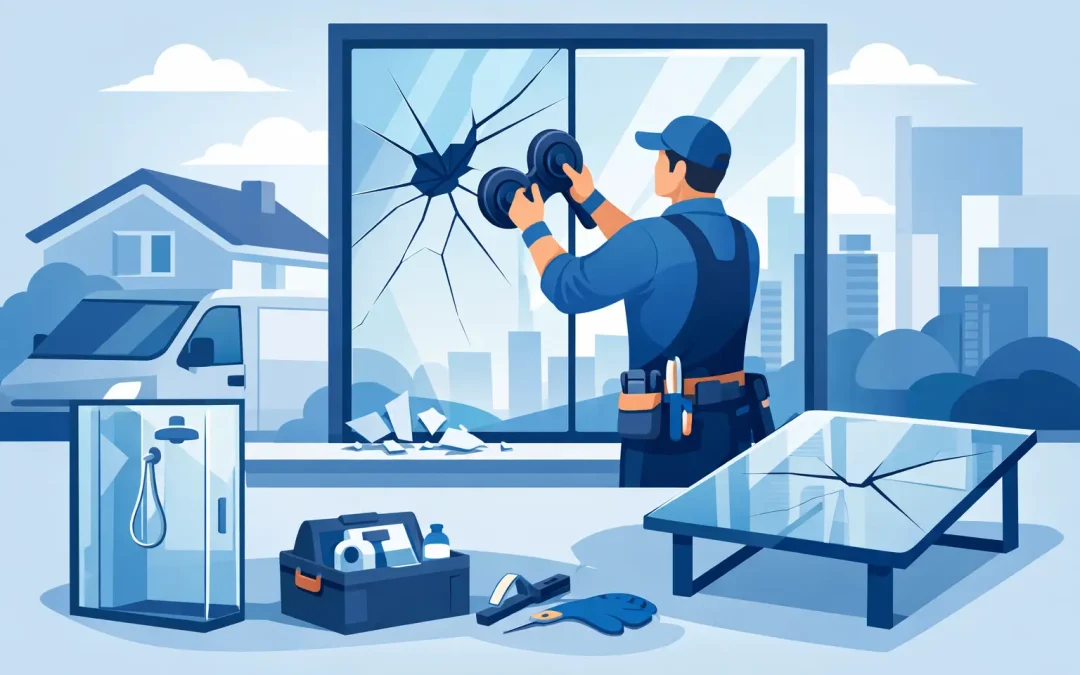
A cracked window can seem minor until it spreads across the pane. A smashed shopfront is obviously urgent, but a loose shower screen, chipped glass tabletop or damaged mirror can create just as much risk in the wrong place. Glass repair specialists take the guesswork out of these jobs by assessing what has failed, making the area safe and fitting the right replacement glass properly.
For homeowners, landlords and business owners, the priority is usually straightforward: remove the hazard, restore security and get the property looking right again without creating a bigger problem later. That is where a qualified glazier earns their keep.
When glass damage needs a professional
Not every mark on glass means it has to be replaced that day. Light surface scratches on some glass surfaces may be cosmetic, while a small chip in a low-risk location can sometimes be monitored. But cracks, impact damage and loose panels deserve prompt attention, particularly where children, pets, customers or tenants are nearby.
A crack weakens the whole pane, even if it is only visible in one corner. Changes in temperature, a slammed door or normal movement around the home can cause it to travel. In a window or external door, damaged glass can also compromise weather protection and security.
Call a professional promptly if glass has shattered, a window will not close securely, a crack is spreading, or a panel feels loose in its frame. The same applies to glass near a doorway, staircase, wet area or busy commercial entrance. These are not good places for a temporary fix and a wait-and-see approach.
For a business, broken glass can leave stock, equipment and staff exposed after hours. For a rental property, it may affect the tenant’s safety and your responsibility to provide a secure home. Fast action matters, but so does getting the repair measured and fitted correctly.
What glass repair specialists actually do
A good glazing service does more than arrive with a replacement pane. The job starts with understanding the damage and the purpose of the glass. A bathroom screen, front window, mirror and glass tabletop all have different demands, so the right solution depends on where the glass sits and how it is used.
The glazier will make the damaged area safe, remove broken material carefully and check the surrounding frame, seals and fittings. There is little value in replacing a pane if a damaged frame, worn seal or failed fitting is likely to cause trouble again.
Accurate measuring is a major part of the work. Glass that is even slightly wrong can sit poorly, leave gaps or place pressure on the panel. For custom work, such as a shower screen, tabletop or pet flap in an existing glass door, precise measuring helps ensure the finished job is safe, practical and neat.
The final stage should be just as considered. A professional repair includes secure fitting, a check that doors or windows operate as they should, and proper removal of broken glass and job-site rubbish. You should not be left sweeping shards from the carpet or wondering whether the panel is properly supported.
Repairs, replacement and custom glass are different jobs
The word ‘repair’ is often used for any glass problem, but replacement is usually the real answer when a pane is cracked or broken. Once the glass itself has failed, taping it, filling it or covering it may only be a short-term safety measure.
Replacement can be simple when the pane is a standard size and the frame is in good condition. It can take more planning when the glass is shaped, tinted, patterned, installed in an older frame or part of a larger system. Custom-fit work may also be needed for mirrors, tabletops, shower glass and pet-flap panels.
That does not mean every job has to be complicated. It means the glazier should explain what is needed in plain language, including any practical choices that affect timing, appearance or cost.
Choosing the right glass for the location
Glass is not one-size-fits-all. The best option depends on the location, the level of impact it may face and the role it plays in the building. A glazed panel beside an entrance, for example, has different safety needs from a small internal mirror.
In some areas, safety glass may be required or simply make better sense. It is commonly used where people could fall against the glass, where glass is close to a door, or around bathrooms and other higher-risk areas. The right product can reduce the risk of dangerous breakage, but it still needs proper installation to perform as intended.
For exterior windows and doors, the conversation may also include privacy, noise, heat and the existing look of the property. There can be trade-offs. A particular glass type may improve privacy but reduce natural light, while a custom match may take longer than a readily available clear pane. A capable glazier will help you weigh those choices without making the process harder than it needs to be.
What to do before the glazier arrives
If the glass is broken, keep people and pets away from the area first. Do not press tape directly across a badly cracked pane or try to force a damaged window shut. Broken edges can move unexpectedly, and loose pieces may fall when disturbed.
If it is safe to do so, clear nearby furniture and keep the area accessible. For an external break, secure the room as best you can without handling sharp glass. You may be able to close an internal door or move valuables away from the opening. Take a few clear photos for your insurer or property manager before anything is removed, if practical.
When you call, it helps to describe the location of the glass, whether it is cracked or fully smashed, and whether the property can still be secured. Mention any immediate safety concerns, such as a child’s bedroom, a ground-floor window, a glass door or a customer-facing entrance. This gives the team a clearer idea of what is required before they arrive.
Questions worth asking before booking
You do not need glazing knowledge to organise a good repair. A few practical questions will help set expectations. Ask whether the damaged area can be made safe straight away, whether a measure is needed before replacement, and how long the required glass is likely to take.
For landlords and commercial properties, ask what information is needed for insurance approval or owner authorisation. Clear communication can avoid delays, especially when several people are involved in approving the work.
It is also reasonable to ask what happens to the old glass, whether cleanup is included and whether the quote covers fitting as well as materials. A clear quote is more useful than a vague estimate, particularly for custom glass where size, finish and hardware can affect the final price.
Fast service still needs careful workmanship
When glass breaks, nobody wants a drawn-out process. A quick response can restore peace of mind, protect the property and reduce disruption for tenants, staff or customers. But speed should not mean cutting corners on measurement, safety or cleanup.
The best result is a repair that feels uncomplicated from your side: someone answers, explains the next step, turns up as arranged and leaves the area safe and tidy. That is especially valuable when you are already dealing with a damaged home, an unsettled tenant or a business that needs to reopen.
Glass Direct has spent more than 28 years helping Auckland properties move from broken glass to a practical fix, whether that means a replacement window, a new mirror, shower glass or a pet flap fitted into the right panel.
If you are looking at cracked, loose or shattered glass, trust your instincts and get it checked. A short call now can prevent an ordinary repair from becoming a safety issue, a security problem or a much bigger clean-up later.