
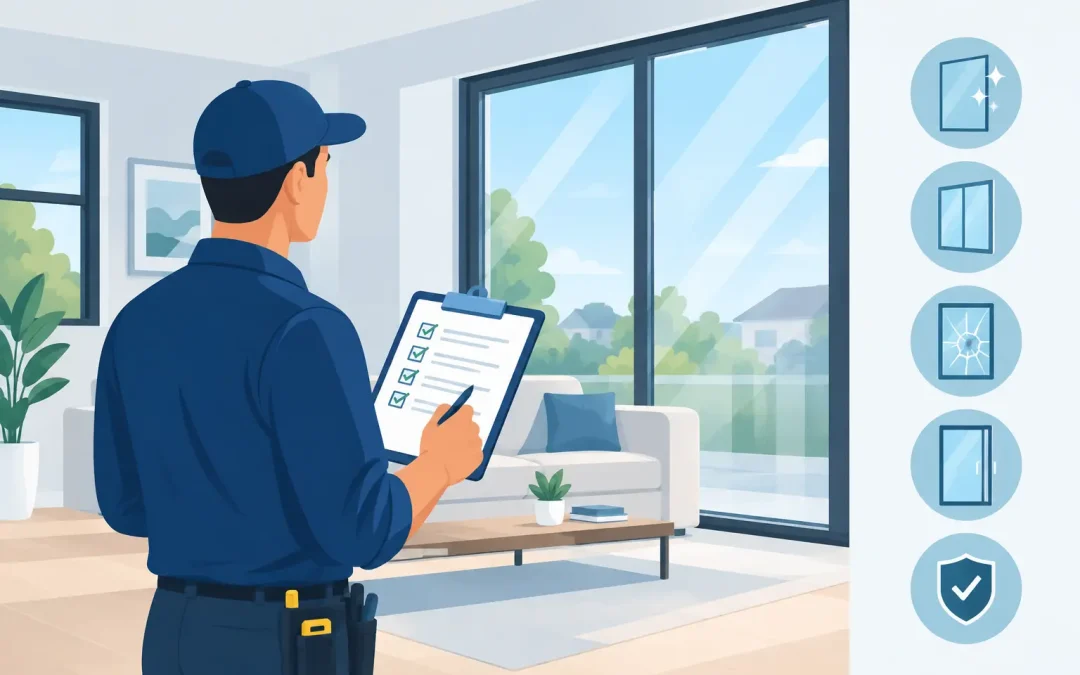
A cracked lounge window can turn into a cold draught overnight. A smashed door pane can leave children, pets and your home’s security exposed straight away. This residential glazier checklist helps you work out what to do first, what details to have ready and how to book a repair without making the situation worse.
Glass problems are rarely planned. The good news is that a qualified glazier can assess the damage, make the area safe and supply a replacement that suits the opening, the location and how your household uses the space.
Residential glazier checklist: make the area safe first
Your first job is not to clean up every last piece of glass. It is to stop anyone getting hurt. Keep children and pets out of the room or away from the damaged door or window. If you can, close off the area and put shoes on before walking nearby.
Do not press on cracked glass to see whether it is loose. A pane can look intact but fail with very little pressure, especially after an impact near an edge or corner. Avoid opening or closing a damaged window or sliding door too. Movement can spread a crack, dislodge glass and damage the frame.
If there are larger pieces on the floor, carefully pick them up only when it is safe to do so, using gloves and sturdy footwear. Put the pieces into a solid container rather than a thin rubbish bag. Small fragments are easy to miss, so sweep carefully and check nearby mats, furniture and the footpath outside if the breakage occurred near an entry.
For a broken external window or door, move valuables out of sight and secure the room where practical. A temporary cover may help keep out weather and unwanted access, but do not use tape directly across unstable broken glass. If there is a serious security risk, tell the glazing company when you call so they understand the urgency.
Check what has been damaged
A clear description makes it easier for a glazier to bring the right materials and advise on the likely repair. You do not need to know the technical name for the glass. Plain, useful details are enough.
Start with the location: is it a bedroom window, a ranch slider, a bathroom mirror, a glass tabletop, a shower screen or a glass door? Then note whether the pane is cracked, chipped, shattered or completely missing. It also helps to mention whether the frame is aluminium, timber or uPVC, and whether the window opens, slides or stays fixed.
Take a few photos from a safe distance. One wider photo showing the full window or door, plus a closer image of the damage, gives the glazier useful context. If the glass has markings in a corner, photograph those as well. They can help identify the type of safety glass or glazing already fitted.
Measurements can be helpful, but do not worry about getting them perfect. A professional measure is the safest way to confirm sizing, glass thickness and fit. Measuring only the visible glass can lead to an incorrect size because part of the pane sits inside the frame. Where possible, give an approximate height and width so the job can be assessed, then let the glazier complete the final measure.
Know when safety glass may be needed
Not every window requires the same glass. Doors, sidelight panels, low-level glazing, bathrooms and areas near stairs often need safety glass due to their location and the risk of impact. Toughened glass is designed to break into small pieces, while laminated glass holds together better after breaking because it has an inner layer.
The right option depends on where the glass is installed and what it needs to do. A glazier should explain the practical choice for your home, rather than simply replacing like for like when the existing glass may not suit current requirements. This is particularly relevant for older Auckland homes, renovated rooms and replacement doors.
Prepare the details for your quote
Before booking, gather the information that affects access and timing. Let the glazier know if the home is tenanted, if a property manager needs to approve the work, or if an insurance claim is involved. It is much easier to keep a repair moving when everyone knows who can authorise the quote.
Mention access issues early. Narrow driveways, upper-floor windows, locked gates, dogs on the property and limited parking can all affect how the work is organised. If the damaged pane is above a stairwell, behind heavy furniture or in a difficult-to-reach bathroom, say so. There is no need to solve the access problem yourself, but an honest picture helps the team arrive prepared.
Ask what the quote includes. For a straightforward repair, you will usually want clarity on the glass, removal of the damaged pane, installation, sealants or glazing materials, and clean-up of broken glass. If the frame is bent, rotten or damaged by impact, that may need separate attention. A good glazier will point out this difference rather than promising a simple glass swap that cannot be completed properly.
Turnaround can depend on the type of glass. Standard panes may be available quickly, while custom-cut mirrors, patterned glass, oversized panels and some safety-glass products can take longer. That does not mean you should settle for a poor temporary fix. It means the repair plan should balance immediate safety with the correct long-term replacement.
Make the appointment easy on the day
A little preparation lets the installer work safely and get the job done faster. Clear furniture, pot plants, curtains and breakable items away from the work area. Create a clear path from the entrance to the window, door or shower. If parking is tight, save a space as close as reasonably possible.
Keep pets in another room or outside in a secure area. Even calm animals can be unsettled by unfamiliar people, tools and the sound of glass being handled. If you have young children at home, keep them away from the work zone until the clean-up is complete.
It is also worth checking whether blinds, security screens or window furnishings need to be removed. Some can stay in place, but others may limit access. Your glazier can advise before the appointment if photos show anything that needs to be moved.
Questions worth asking your residential glazier
You do not need a long list of technical questions. Focus on the details that affect your home and peace of mind. Ask whether the proposed glass is suitable for that location, how long the job is expected to take, and whether the area can be secured if the final replacement needs to be ordered.
For doors and windows, ask whether the frame and hardware appear sound. For shower glass, ask how the replacement will match the existing layout and fittings. For mirrors and tabletops, ask about edge finishing, thickness and safe fixing. If you are adding a pet flap to an existing glass door or panel, confirm the flap size, its position and whether the glass needs to be replaced with a new pre-cut panel.
The best answer is sometimes that a repair is possible, and sometimes it is that replacement is safer or better value. A small chip in a low-risk pane may be manageable, while a crack running from the edge of a door panel usually calls for prompt replacement. The location, glass type and condition of the frame all matter.
Check the finished job before the team leaves
Once the new glass is in place, take a minute to look over the work with the installer. Check that the pane is clean, the seals or beading sit neatly, and the window or door opens and closes as it should. For a sliding door, test the movement gently. For a shower screen, check that doors and panels align correctly.
Ask about care if the glass has fresh sealant around it. Some products need time to cure, so avoid washing or putting pressure on the area until advised. Keep the invoice and any relevant paperwork somewhere handy, especially if the repair is part of an insurance claim or rental maintenance record.
A clean finish matters too. Qualified glaziers should remove their work materials and deal with glass debris carefully, but let them know if you spot anything missed before they go.
Broken glass is stressful, but arranging the right repair should not be. With clear photos, safe access and a qualified local glazier, the job can move from hazard to finished repair without unnecessary fuss. Glass Direct has been helping homeowners with repairs, replacement glass and custom household glazing for more than 28 years – you smash it, we fix it.