
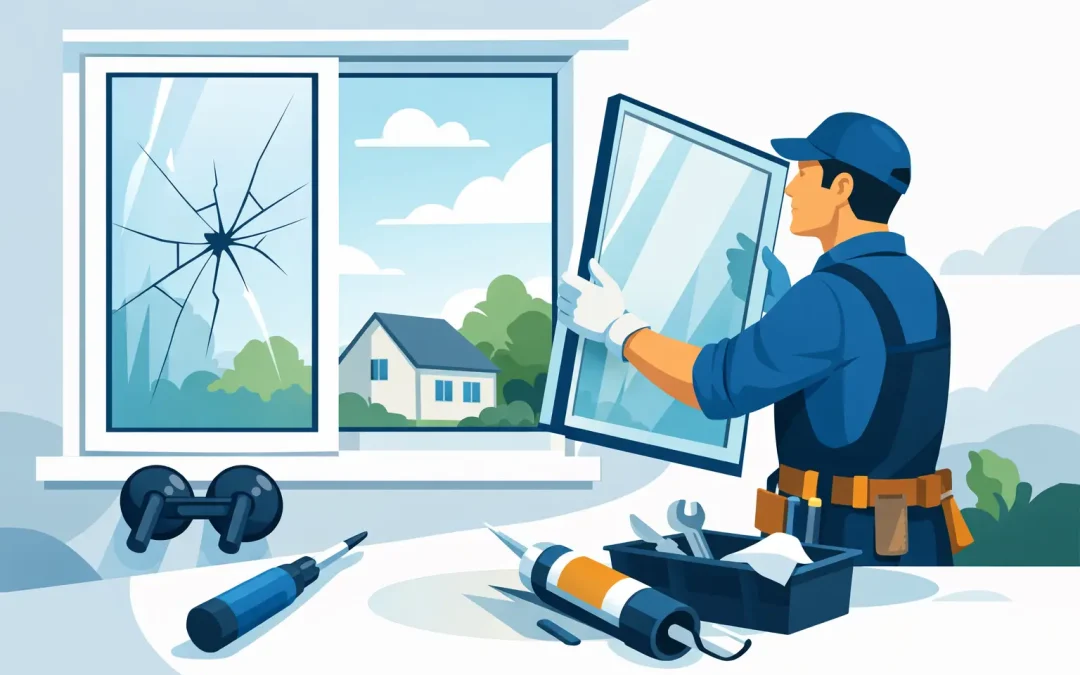
A window can look fine from across the room but still have a problem. Mist trapped between the panes, a cold draught near the frame, or a crack that appeared after a knock are all signs it is time to look at double glazed window repair. The right fix depends on what has failed – the glass, the sealed unit, the frame, or the hardware around it.
Double glazing is made up of two panes of glass separated by a sealed gap. That gap helps reduce heat loss, outside noise and condensation on the room-facing side of the glass. When one part of the system is damaged, you do not always need a complete new window. A qualified glazier can assess the issue and explain whether a targeted repair or a replacement glass unit is the sensible option.
When double glazed window repair is possible
A cracked or shattered pane needs attention straight away, particularly near children, pets, entry doors or busy areas of a home or workplace. In many cases, the glass unit can be replaced while keeping the existing frame in place. This is often the most practical outcome when the frame is sound, the window opens and closes properly, and matching glass can be made to fit.
Small chips and surface marks are different. On ordinary single glass, a minor chip may sometimes be stabilised. With double glazing, however, damage to either pane can compromise the sealed unit. What looks like a small crack may allow moisture into the gap and reduce the window’s insulating performance. A glazier will check whether repair is realistic or whether replacing the insulated glass unit will give you a safer, longer-lasting result.
Problems with seals, gaskets, handles, hinges and sliding mechanisms can also be repairable. A window that rattles, sticks or lets in a draught may have sound glass but worn seals or hardware. Replacing these components can improve comfort and help the window close securely without the cost and disruption of replacing the entire assembly.
Condensation between the panes means the seal has failed
Condensation on the inside surface of a window can come from everyday moisture in the home. Cooking, showers and drying clothes indoors all add moisture to the air. That type of condensation can often be reduced through ventilation, extraction fans and sensible heating.
Condensation between the two panes is a different issue. It usually means the edge seal around the insulated glass unit has broken down and humid air has entered the gap. Once that happens, the haze or droplets cannot be properly cleaned from the inside because the space is sealed. The usual solution is to replace the failed glass unit, rather than attempting to reseal it in place.
This does not automatically mean the whole frame has to go. Accurate measuring is key. A glazier can remove the existing unit, check the frame and beads, and install a new unit made to the correct size and specification.
Toughened and laminated glass need a specific approach
Bathroom doors, low-level windows, large panels and doors may use safety glass. Toughened glass is designed to break into many small pieces, while laminated glass has an interlayer that helps hold broken pieces together. Both have a role in making a property safer, but neither is something to patch up after damage.
If toughened glass breaks, it needs replacement. Laminated glass may stay in place after a crack, but it should still be assessed promptly. Even when it is holding together, its strength, clarity and weather protection may be affected. A glazier can identify the glass type and arrange a suitable replacement rather than fitting the wrong product into a safety-critical location.
What a proper repair involves
Good double glazing work starts with finding the cause, not simply replacing what is visible. A crack caused by an impact needs a different conversation from a crack caused by frame movement, a poorly fitted unit or pressure on the glass edge. If the underlying issue is missed, the same problem can return.
The process usually begins with a site check and precise measure. The glazier will inspect the glass, seals, frame condition and operation of the window. They will also confirm details such as the glass thickness, spacer colour, tint, obscurity, safety requirements and whether the window needs acoustic or thermal performance similar to the existing unit.
The damaged glass is then removed carefully. Broken pieces are contained and cleared away, the frame is cleaned, and the replacement unit is fitted with appropriate packers, seals and glazing beads. The window should be checked for a secure fit and smooth operation before the job is finished. Clean-up matters too – nobody wants to find a sliver of glass on the carpet, deck or footpath after a repair.
For custom-sized windows, replacement units are commonly made to order. That can mean a short wait between the initial make-safe work and final installation. If the opening cannot be secured immediately, temporary boarding or protection may be needed to keep the weather and unwanted visitors out.
What to do when double glazing is damaged
A broken window is stressful, but the first steps are straightforward. Keep people away from the area, especially if there is loose glass in the frame or on the floor. Do not press tape directly over shattered toughened glass or try to push broken pieces back into place.
If it is safe to do so, take a few photos from a distance for your insurer or property manager. Then make the opening safe until a glazier arrives. For a cracked but intact panel, avoid opening or shutting the window, as movement can turn a crack into a break.
When you arrange an assessment, it helps to have these details ready:
- the window location and approximate size;
- whether the glass is cracked, smashed, misted or loose;
- whether the property needs urgent securing;
- any details about tint, obscure glass, pet doors or safety glass; and
- whether an insurer, landlord or property manager needs to approve the work.
Clear information helps the repair be organised faster, particularly for rental properties and commercial premises where security and access need to be managed around tenants, staff or customers.
Repairing the glass unit versus replacing the whole window
Replacing only the double glazed unit is usually the better value option when the frame is in good condition. It keeps disruption lower and retains the existing joinery, which can be especially useful where the window style matches the rest of the property.
A full window replacement may be worth considering if the frame is rotten, badly corroded, warped, leaking around the structure, or no longer holds the glass securely. It can also make sense during a larger renovation, when you want to upgrade several windows for improved thermal performance, noise reduction or a new look.
There is no one-size-fits-all answer. Older aluminium frames, timber joinery, modern uPVC systems and commercial shopfronts all have different repair considerations. The useful question is not simply, “Can this be fixed?” It is, “What fix will keep this window safe, weather-tight and working properly for years?”
Avoiding repeat problems
Not every glass break can be prevented, but a few simple habits can reduce the chance of damage and premature seal failure. Avoid slamming windows and doors, keep drainage tracks in frames clear of dirt and leaves, and do not lean heavy items against glass. If a window starts sticking, rattling or taking extra force to close, have it checked before pressure builds around the glass edges.
For homes with active kids, pets or furniture close to windows, consider whether safety glass is appropriate when a replacement is being made. For bedrooms facing a noisy road or a busy shared driveway, it may also be worth asking about acoustic options. The best replacement is not always an exact like-for-like match if a practical upgrade will better suit how you use the space.
If your double glazing is cracked, clouded between the panes or no longer closing as it should, do not leave it to worsen. A clear assessment and a properly fitted repair can restore the comfort, security and quiet you expected from the window in the first place.