
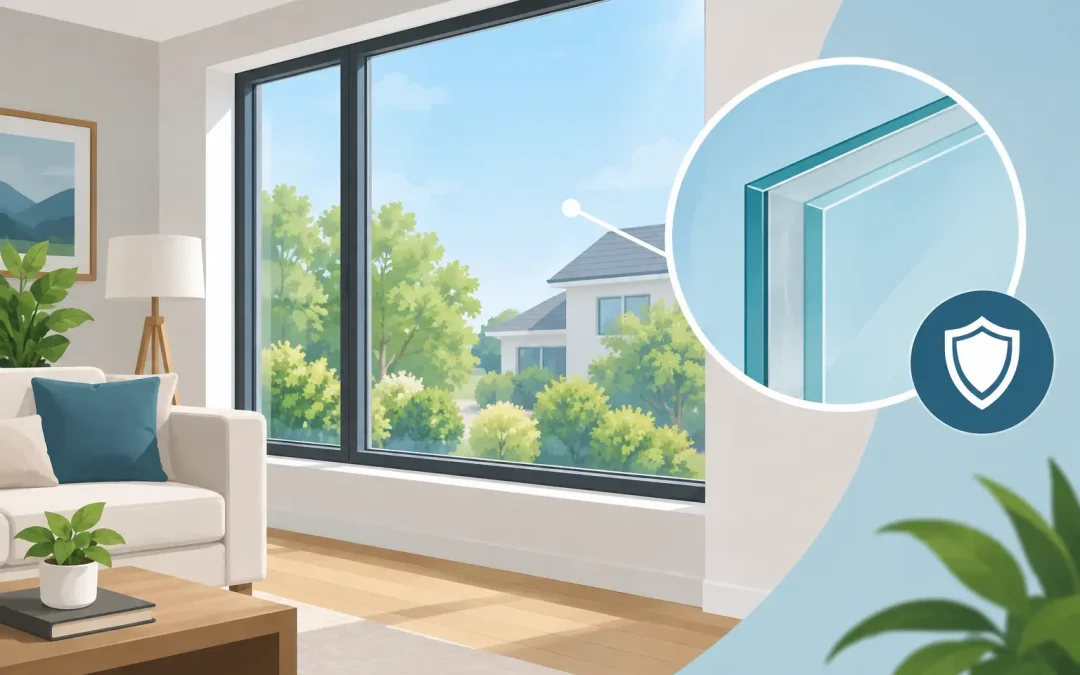
A window can look perfectly ordinary and still make a big difference to the safety of your home or business. When you choose safety glass windows, you are not only thinking about breakage. You are considering who uses the space, where the glass sits, what could hit it, and what happens if it does break.
For a family home, that may mean protecting children near a low window or a glass door opening onto the deck. For a shop, office or rental property, it may mean reducing the risk of injury, keeping an entry secure, and getting the right glass installed the first time. The good news is that safety glass does not need to make the decision complicated. Once you understand the main options and where they are used, it becomes much easier to choose a practical solution.
What makes glass a safety glass?
Safety glass is made to reduce the risk of injury if it breaks. Standard annealed glass can crack into large, sharp pieces. Safety glass is designed to behave differently, either by breaking into smaller pieces or by holding together after impact.
The two main types used in windows and doors are toughened glass and laminated glass. Both are safety glass, but they solve slightly different problems.
Toughened glass is heat-treated to make it stronger than ordinary glass. If it breaks, it is designed to crumble into many small, blunt-edged pieces rather than dangerous shards. It is a common choice for glass doors, low-level windows, shower screens and other places where someone could fall against the glass.
Laminated glass is made from two or more sheets of glass bonded around a clear interlayer. When broken, the interlayer helps hold the glass together. This can reduce the amount of loose glass falling into a room and can offer an added level of security or noise reduction, depending on the glass specification.
Neither option is automatically better everywhere. Toughened glass is very strong against direct impact, while laminated glass is often chosen where retaining the broken panel in place matters. The right choice depends on the location and the job the window needs to do.
Start with where the glass is installed
The first question is not usually, “Which glass is strongest?” It is, “What could happen at this window?” Safety glazing is commonly required in areas where people are more likely to make contact with glass, including certain doors, side panels and low-level glazing. Building requirements and standards set out the details, but a qualified glazier can assess the opening and explain what applies to your property.
Pay particular attention to glass in these locations:
- doors, sliding doors and full-height windows
- windows close to the floor, footpath, deck or stair landing
- bathrooms, shower areas and pool-adjacent spaces
- shopfronts, offices and other busy commercial entrances
A child chasing a ball indoors does not see the difference between a solid wall and a clear pane of glass. Neither does a visitor who assumes a full-height glazed panel is an open doorway. In these areas, using compliant safety glass is about preventing a routine knock or stumble from becoming a serious injury.
For homes with pets, consider the area around pet flaps too. A correctly installed pet flap in suitable glass needs careful measuring and the appropriate panel. Toughened glass cannot simply be cut after it has been toughened, so the glass must be made to the right size and design from the outset.
Toughened or laminated: which should you choose?
Toughened glass is a sensible choice where people may bump into, lean on or fall against a pane. It is widely used in sliding doors, French doors, shower screens and low windows. It also suits applications where a clean, clear look is wanted without adding much visible change to the glass.
There is one trade-off to understand. Once toughened glass breaks, the whole panel generally breaks at once. It will shatter safely into small pieces, but the opening will need to be secured and reglazed promptly.
Laminated glass can be a better fit where security and glass retention are higher priorities. If a pane is struck or cracked, the interlayer can keep much of the broken glass in place. That may help limit immediate access through the opening and reduce the mess inside. It can be useful for street-facing windows, shopfronts, sidelights and homes where added acoustic performance is wanted.
However, laminated glass is not invincible. A determined impact can still damage it, and a broken laminated pane should be repaired rather than treated as permanently secure. The interlayer also means it can cost more than a straightforward toughened replacement in some situations.
A glazier should look at the frame, the opening size, the height from the ground, exposure to wind and how the room is used before recommending either option. Glass choice is never only about the pane itself. The frame and installation matter just as much.
Consider security without over-specifying
Safety glass and security glass overlap, but they are not exactly the same thing. Toughened glass improves safety on breakage. Laminated glass can help keep a panel together after impact. For some properties, that is enough. For others, particularly ground-floor commercial premises or exposed entry points, a more specialised security glazing solution may be appropriate.
It is easy to assume thicker glass is always safer, but thickness alone does not tell the full story. A thicker ordinary pane may still break into sharp pieces. The construction of the glass, the way it is supported and the required safety rating are more useful measures.
Think about the realistic risk. A quiet upstairs bedroom window has different needs from a ground-level retail frontage. Paying for a high-security specification everywhere may not be necessary, while using basic glass in a high-contact location can be a false economy.
Do not overlook heat, noise and privacy
Replacing a window is a good chance to address more than the crack or break. The best safety glass choice may also improve comfort in the room.
Laminated glass can provide some sound reduction because of its interlayer, which may help near a busy road, school or commercial area. Double glazing can improve thermal comfort, although the right unit depends on the frame and the rest of the window system. Tinted, obscure or patterned safety glass may suit bathrooms, entry doors and windows that face close neighbours.
These benefits should support the main safety decision rather than distract from it. A beautiful obscure panel is still the wrong choice if it is not suitable for the opening. Start with compliance and safe use, then select the finish, privacy level and performance features that suit the room.
Check existing glass after damage or renovation
A cracked pane does not always mean every window in the building needs replacing. But it is worth checking whether the damaged glass is in a location that should now be upgraded to safety glass. Older homes, rental properties and commercial spaces may have glazing that was installed under earlier requirements or has simply not been reconsidered since the building was built.
Renovations can also change the risk around a window. A low window that once faced a garden bed might now open onto a raised deck. A room converted into a child’s bedroom may need a fresh look at the glazing near the floor. New furniture can also create climbing opportunities beside windows that were not previously easy to reach.
If a pane is broken, keep people away from the area and avoid trying to clean up large pieces without proper protection. Secure the opening where possible, then arrange an assessment. A qualified glazier can measure the glass accurately, identify the right replacement and make sure the finished job sits properly in the frame.
Ask for a clear recommendation, not a guess
You do not need to arrive with technical glass terms or a final specification. A good glazing service should ask practical questions: Where is the window? Is it in a door? How high is it from the floor? Is there a deck, stairway, pool or public area nearby? Is security, privacy or noise a concern?
From there, the recommendation should be straightforward. You should know whether toughened or laminated glass is proposed, why it suits the location, and whether any other work is needed for the frame or surrounding hardware. Clear measuring, a proper quote and tidy installation are part of getting the safety outcome right.
At Glass Direct, our qualified glaziers work with Auckland homeowners, landlords and businesses on everything from broken windows to custom glass replacements. The aim is simple: explain the options clearly, fit the right glass for the job, and leave the area clean and safe.
The best time to think about safety glass is before an accident makes the choice urgent. If a window is low, exposed, part of a door, or used around children and pets, have it checked before the next bump, ball or wayward piece of furniture tests it.