
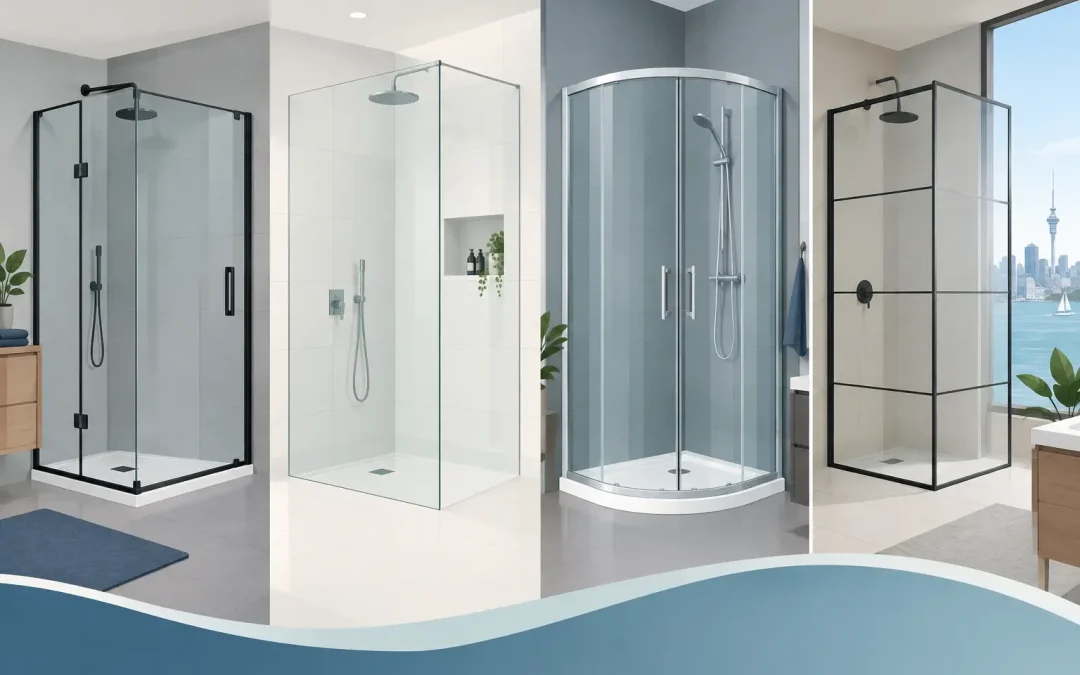
A shower that sprays across the floor, a door that catches the vanity, or glass that always looks streaky can make a bathroom feel harder to use than it should. The right shower enclosure styles solve practical problems first: keeping water where it belongs, making the most of the room you have, and giving you a space that is straightforward to clean.
For Auckland homes, there is no single best answer. An older bungalow bathroom, a compact unit and a new-build ensuite all have different constraints. The best enclosure is the one that fits the layout, suits the people using it and is measured properly before any glass is made.
Start with the bathroom, not the glass
It is tempting to choose an enclosure from a photo, then try to make it fit. In practice, the room decides a lot. Measure the clear floor space in front of the shower, check where the toilet and vanity doors sit, and think about how a person will step in and out each day.
Also look at the shower base, wall condition and drainage. A stylish open shower can be a poor choice if the fall to the drain is not right or there is not enough room to contain splash. Similarly, a hinged door needs a clear swing path. A qualified glazier can take the final measure and flag these issues before installation, which is far easier than changing plans after tiles and fittings are in place.
Popular shower enclosure styles and where they work
Frameless hinged enclosures
Frameless glass uses thicker toughened safety glass with minimal visible hardware. It is a popular choice for modern bathrooms because it keeps sightlines open and lets feature tiles, stone or a well-finished shower area do the talking.
A hinged frameless door works well where there is enough open floor area for the door to swing. It feels solid, has fewer channels where grime can build up, and suits square or rectangular shower bases. The trade-off is clearance. In a tight bathroom, a door that opens into the room can quickly become inconvenient.
Frameless designs also need accurate installation. Walls and floors in real homes are not always perfectly level or square, particularly in renovations. Custom-made glass allows for those site conditions and gives the enclosure the right fit.
Fixed-panel walk-in showers
A walk-in shower typically uses one or more fixed glass panels rather than a fully enclosed door. You enter through an open gap, so there is no door to swing or track to clean. This makes it a strong option for larger bathrooms and for people who want a simple, open look.
The key question is water control. The panel needs to be long enough, and positioned well enough, to protect the dry area of the bathroom from spray. Shower head location matters too. If it points directly at the opening, even a generous panel may not keep water in.
Walk-in layouts can also be useful when accessibility is a priority, as they remove the need to manage a door. That said, an open entry is not automatically suitable for every mobility need. The shower base, grab rail positions, drainage and turning space all need to be considered together.
Semi-frameless shower screens
Semi-frameless enclosures combine toughened glass with a slim frame around some edges. They offer a cleaner look than fully framed units while allowing for more adjustment during fitting. That can be helpful in bathrooms where walls are slightly out of plumb or where the budget does not stretch to a fully frameless custom enclosure.
This style can include hinged, pivoting or sliding doors. It is a sensible middle ground: smart-looking, durable and often more forgiving of renovation realities. The frame does mean a few more edges to wipe down, but good-quality hardware and regular cleaning keep maintenance manageable.
Sliding shower doors
Sliding doors are made for tight spaces. Because the door moves sideways rather than into the room, it does not compete with a vanity, toilet or towel rail. They are often the most practical option for a narrow bathroom or compact ensuite.
The compromise is that tracks require a little more cleaning than a hinged door. Soap residue, hair and mineral deposits can collect in the lower channel if left alone. Choose a system with accessible tracks and make wiping them part of the usual bathroom clean. A well-fitted sliding enclosure should move smoothly without rattling or sticking.
Pivot doors and corner enclosures
Pivot doors can be fitted so the door opens out, in, or in some cases both ways. Unlike a standard hinge fixed at the edge, a pivot point can sit slightly in from the glass edge, which may reduce the amount of room needed outside the shower. They are useful where a normal hinged door is close to another fixture, but the opening still needs to feel generous.
Corner enclosures make good use of two existing tiled walls. A square corner shower is simple and roomy where space allows, while a rounded or quadrant enclosure softens the front corners and can free up circulation space in a small room. Rounded glass and specialised doors can cost more than straight panels, so this is a case where the available floor area needs to justify the design.
Glass, hardware and safety are part of the decision
The enclosure style gets most of the attention, but the glass and fittings are what make it safe and reliable day after day. Shower glass should be toughened safety glass, made for use in wet areas. If it breaks, it is designed to crumble into small pieces rather than sharp shards.
Hardware choices affect both appearance and upkeep. Chrome remains common because it suits many tapware finishes. Matte black can look sharp against pale tiles, while brushed nickel and brass-toned fittings can tie in with warmer bathroom fixtures. Matching every finish is not essential, but mismatched hardware can look accidental rather than considered.
Think about who will use the shower. A heavy frameless door can feel premium, but it must be properly supported and easy for everyone in the household to operate. Door handles should be comfortable to grip, and seals should direct water back into the shower area without making the door hard to close.
Cleaning matters more than showroom looks
Every glass shower enclosure needs regular care. The difference is how many edges, tracks and corners it gives you to clean. Frameless fixed panels are generally the quickest, while framed sliders need a little more attention around their channels.
A quick squeegee after showering makes a noticeable difference, especially in areas with water spotting. Wipe hinges, handles and seals occasionally with a soft cloth. Avoid harsh abrasive products or rough scouring pads that can mark hardware, scratch glass or damage protective coatings.
Ventilation matters as well. Use the extractor fan and leave the enclosure open after use where possible, so moisture can escape. This helps reduce mould around seals and keeps the whole bathroom fresher.
Why custom measuring is worth it
Off-the-shelf shower screens can suit a standard-sized space, but they are not always the best fit for a renovation. Tile thickness, wall variation, nib walls, sloping ceilings and unusual shower bases all affect the finished result. Even a few millimetres can matter when glass, doors and seals need to line up.
Custom shower glass is particularly worthwhile for awkward corners, walk-in panels, larger openings and bathrooms where you want the enclosure to sit neatly with existing fittings. The process should be straightforward: assess the site, confirm the design and measurements, manufacture the glass to suit, then fit it carefully and leave the area tidy. Glass Direct can help Auckland homeowners work through those decisions without turning a practical bathroom upgrade into a complicated project.
Before choosing, stand in the room and picture the everyday routine: opening the door, reaching for a towel, helping a child, cleaning the floor and getting ready for work. The enclosure that handles those small moments well will keep earning its place long after the renovation photos are forgotten.