
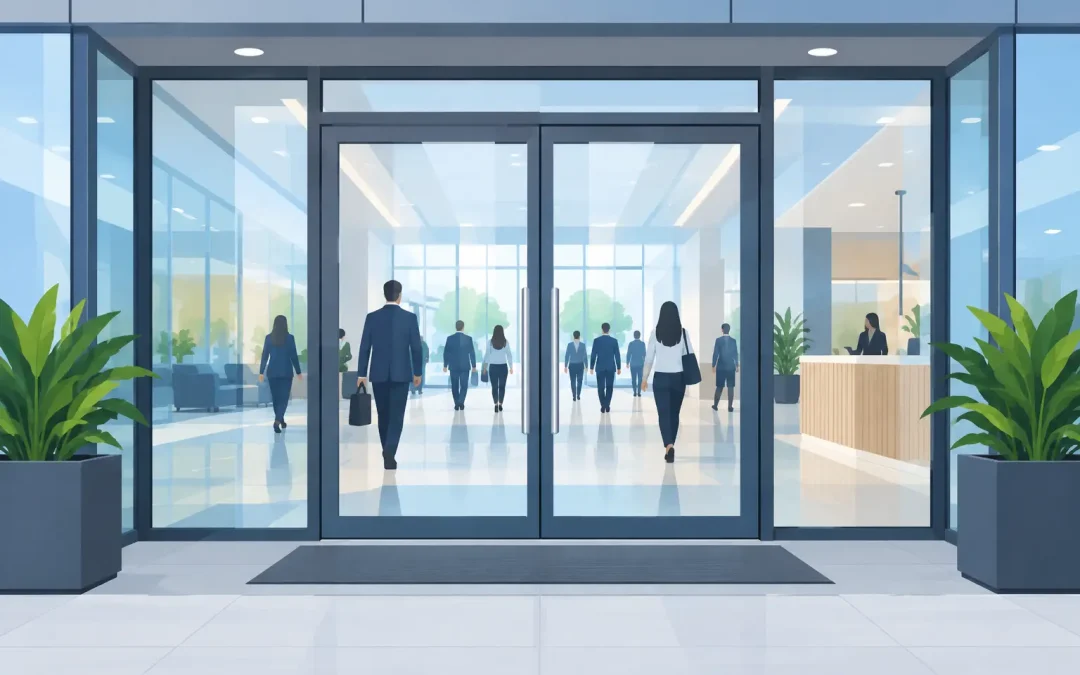
A cracked entry door is more than an untidy first impression. It can leave a shop, office, clinic or rental building exposed, interrupt trading and create a safety risk for staff and visitors. The best commercial door glass is the glass that suits how the door is used, the level of security required and the hardware already in place – not simply the thickest option available.
For a busy commercial property, a good replacement should restore access and visibility quickly while meeting the right safety requirements. Here is what to consider before choosing a new glass panel.
Best commercial door glass starts with how the door is used
A commercial glass door can look simple, but it works hard. It may be opened hundreds of times a day, take trolley traffic at closing time, face strong sun or sit exposed to the street after hours. A quiet internal office door has very different needs from a street-facing shop entrance.
Start with the location. An external entrance needs to balance safety, security and weather protection. An internal glass door is usually more about safe everyday use, privacy and keeping the space light. If the door is part of a shopfront, the surrounding glazing and frame also matter. Replacing one damaged pane with a mismatched type of glass can affect the look, performance and operation of the whole frontage.
The door style matters too. Framed aluminium doors, timber doors, frameless glass swing doors and automatic sliding doors all use different glass thicknesses, fittings and installation methods. A qualified glazier can measure the opening, check the frame and identify the right option before glass is ordered.
Safety glass is usually the starting point
For doors and low-level glazing, ordinary float glass is generally not the right choice. If it breaks, it can leave large, sharp pieces behind. Commercial door glass should typically be safety glass selected for the specific application.
Toughened glass for everyday impact resistance
Toughened glass is heat-treated to make it far stronger than standard glass of the same thickness. When it breaks, it fractures into many small, less dangerous pieces rather than sharp shards. It is a common choice for framed doors, shopfronts and frameless glass doors where a clean, clear finish is wanted.
It is particularly useful where people are regularly moving through the doorway. The trade-off is that once toughened glass has been made, it cannot be cut, drilled or altered on site. Holes for handles, locks, pivots and patch fittings need to be measured correctly before manufacture. That is why accurate measuring is not a step to rush.
Laminated glass when holding together matters
Laminated glass has two or more sheets of glass bonded with a tough interlayer. If it breaks, the interlayer helps hold the broken pieces in place. That can reduce the immediate opening left after an impact and is often a sensible option for street-facing doors, high-risk locations and premises where security is a priority.
Laminated glass is not indestructible. A determined impact can still damage it, and the panel may still need prompt replacement. Its advantage is that it can remain in the frame after breaking, helping reduce exposure until the door is repaired or made safe.
For some commercial entrances, toughened laminated safety glass may be recommended. It can provide a higher level of impact performance and post-breakage retention, but it is heavier and can cost more. The door frame, hinges and hardware must be able to support it.
Match security to the real risk
A street-front business may need a different solution from an office inside a secured building. Consider what happens after hours, whether the entrance is visible from the road, and whether the door has been targeted or damaged before.
If break-ins are a concern, laminated safety glass may be more appropriate than a basic toughened panel. Security film can sometimes be discussed for suitable existing glass, but it is not a substitute for choosing the correct glass from the outset. Locks, door closers, access systems and the condition of the frame also play a part. Stronger glass in a loose or damaged frame will not solve the whole problem.
For a premises with valuable stock near the entrance, it may be worth looking beyond the door alone. Nearby sidelights and shopfront panels can be just as vulnerable. A glazier can assess the complete glazed area and explain where an upgrade will make the most practical difference.
Don’t overlook visibility, privacy and comfort
Clear glass makes a business feel open and welcoming. It lets staff see who is approaching and gives customers a clear view of the entrance. For many retail spaces and offices, clear safety glass is the right answer.
There are times when clear glass creates too much exposure. Frosted or obscure glass can add privacy for consulting rooms, staff areas, bathrooms or meeting spaces while still allowing light through. Decorative film can offer a similar effect, although it needs to be applied neatly and maintained well in high-touch areas.
Sun-facing entrances may benefit from glass designed to reduce glare and heat gain. This can improve comfort near the door, especially in a west-facing shopfront or reception area. However, tinted or performance glass changes the appearance of the frontage and may not match existing panels. It is worth checking a sample or discussing the finish before committing to a full replacement.
Acoustic performance can also matter. If traffic noise, construction work or late-night activity affects a customer-facing space, a suitable laminated or insulated glass unit may help. Not every door system can take thicker glazing, so the existing frame needs to be checked first.
Fire-rated doors need a separate conversation
If a glass door forms part of a fire-rated wall, corridor or escape route, do not replace the panel with standard safety glass just because it looks similar. Fire-rated glazing is a specialised product and must work with the approved door system, frame and seals.
The same care applies to doors with access-control hardware, automatic opening systems or panic exit devices. The glass, cut-outs and fittings need to suit one another. A proper site assessment helps avoid a replacement that looks fine but affects the door’s safe operation.
What to check before ordering replacement glass
A commercial door repair is usually smoother when the glazier can see the full setup, not just a photo of the crack. Before the measure or quote, make a note of four practical details:
- whether the door is internal or external, and how the damage happened;
- whether it is framed, frameless, hinged, sliding or automatic;
- any hardware attached to the glass, such as a handle, lock, closer or access reader; and
- when the premises can be accessed without disrupting customers, staff or tenants.
If the glass has shattered, keep people clear of the area and avoid trying to remove sharp pieces yourself. Where possible, secure the doorway, move stock away from the opening and arrange professional help promptly. Temporary boarding or making the site safe may be needed before the permanent panel is fitted.
The cheapest panel is not always the lowest-cost repair
Choosing glass on price alone can lead to a second job later. A panel that does not match the thickness, tint or safety performance of the original may look out of place or fail to suit the door hardware. Poor measurements can mean delays, particularly when custom cut-outs are required.
A better approach is to get the door assessed, understand the suitable glass options and choose the level of security and finish that fits the property. For a low-risk internal office door, a straightforward toughened safety panel may be all that is needed. For a street-facing entrance with regular foot traffic, laminated safety glass and a check of the surrounding frame may be money well spent.
For Auckland businesses and property managers, Glass Direct can measure the damaged door, explain the options in plain language and fit a custom panel with cleanup included. The right replacement should not become another job on your list – it should get your entrance safe, secure and back to normal.