
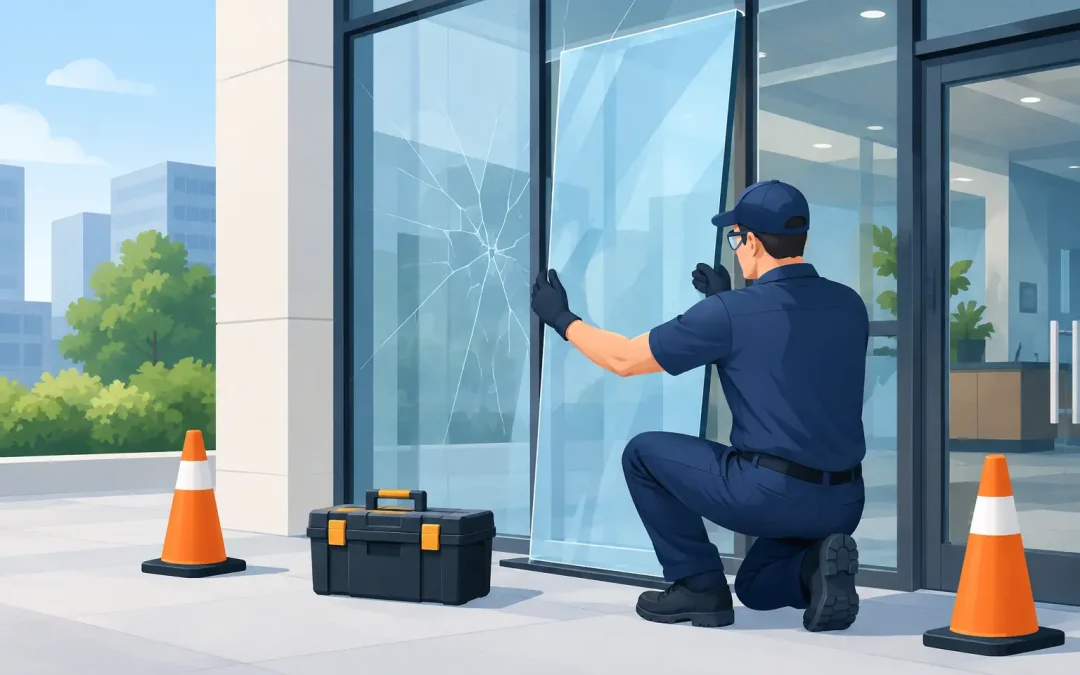
A cracked shopfront window can make customers hesitate before they even reach the door. A smashed glass entry, damaged office partition or broken bathroom mirror can also create a real safety and security problem for staff, visitors and tenants. Business glass repairs are about more than replacing a pane – they help get your premises safe, secure and back to looking cared for with as little disruption as possible.
For Auckland businesses, a quick and well-managed repair matters. Whether you run a retail store, café, office, warehouse, salon or rental property, damaged glass needs a practical response from people who can assess the problem, explain the options clearly and leave the area clean when the job is done.
When business glass repairs should be arranged
Not every damaged pane fails in the same way. A small chip in a low-risk internal window may not stop your day, while a crack near the edge of a large shopfront panel can worsen quickly. Glass around entrances, walkways and customer areas deserves particular attention, even when the damage appears minor.
Arrange an assessment promptly when glass is cracked, chipped, loose, shattered or difficult to close securely. You should also act quickly if a glass door drags, a frame is bent, a mirror has broken corners or water is getting through a damaged window. These issues can become more expensive when left in place, especially after rain or strong wind.
If glass has broken completely, keep people away from the area and remove any immediate access to the opening where it is safe to do so. Do not try to sweep up larger shards with bare hands or tape a damaged panel back into a frame. The right temporary protection depends on the location, the size of the opening and whether the property must remain accessible.
Security is often the first priority
A broken front window or glass door can leave stock, equipment and personal information exposed. It may also prevent you from locking up properly at the end of the day. In these cases, the first job is making the premises secure, then arranging the right replacement glass.
For street-facing businesses, appearance matters too. A boarded or damaged shopfront can send the wrong message, even when your team is working hard inside. Fast repair helps restore confidence for customers and makes the premises feel looked after again.
Choosing the right glass for the job
Replacing like for like is sometimes the simplest answer, but it is not always the best one. The correct glass depends on where it sits, how the area is used and what caused the damage. A qualified glazier can measure the opening, inspect the frame and recommend a practical option without making the job more complicated than it needs to be.
Safety glass is commonly needed in doors, side panels, low-level windows and busy areas where people could fall against the glass. Toughened glass is designed to break into small pieces, while laminated glass holds together with an interlayer when broken. Both have their place, and the better choice depends on the application and relevant requirements.
A street-facing window may benefit from a glass type that offers greater resistance to accidental impact or forced entry. An office meeting room, on the other hand, may need clear safety glass to maintain visibility and light. For a bathroom, gym or changing area, privacy glass may be more suitable. The goal is not to overspecify the job. It is to fit glass that suits the risk, the setting and your budget.
Frames matter as much as the pane. A panel can crack because of impact, but it can also be affected by movement, worn seals, poor drainage or a damaged frame. Replacing glass without checking the surrounding structure can lead to repeat problems. A proper assessment should look at the full opening, not just the visible break.
Keeping disruption to a minimum
Business owners and property managers do not need a long technical explanation when there is broken glass on site. They need clear timing, a tidy work area and a repair process that works around customers, staff and tenants.
Before work begins, let the glazier know about access restrictions, loading zones, after-hours entry, alarm systems and any times when customer traffic is highest. For a busy shop, it may be better to complete the installation before opening, after closing or during a quieter period. For an office or medical practice, privacy and noise may be the main considerations.
Good preparation also avoids surprises. If the damaged glass is in a door, ask whether the door will need to stay closed while measurements are taken or while a replacement is fitted. If it is part of a large shopfront, establish how the area will be made safe until the new panel is ready. Custom glass can take longer than a standard pane, so temporary securing may be the sensible option.
A professional glazing team should protect the immediate work area, handle broken glass carefully and clean up thoroughly once the repair is complete. This is particularly important in hospitality venues, childcare settings, retail spaces and shared commercial buildings where even small fragments are unacceptable.
What to have ready when you call
A few details can help get the repair organised faster. You do not need to know the glass type or exact measurements – that is what the site measure is for. A clear photo, however, can help describe the damage and show the style of frame or door.
When booking business glass repairs, be ready to explain where the glass is located, whether the opening can be secured, whether anyone has been injured and how easily the glazier can access the area. It also helps to mention whether the glass is in a shopfront, sliding door, internal partition, display cabinet, mirror or window.
If you are managing a property for someone else, confirm who can approve the quote and whether an insurer needs to be involved. Insurance-approved work often requires photographs, an invoice and a clear description of what has been repaired. Sorting this early can prevent delays once the urgent safety work is underway.
Preventing repeat damage where you can
Some breakages are simply bad luck. A dropped object, a break-in attempt or an accident during deliveries can damage even well-maintained glass. Still, a few practical checks can reduce avoidable problems.
Keep heavy stock, trolleys and furniture away from glass doors and low windows. Make sure door closers are not slamming doors into frames, and deal with loose handles, sticking tracks or damaged seals before they put pressure on the glass. In customer areas, clear markings on full-height glass can help prevent people walking into it, particularly where reflections are strong.
For landlords and facilities managers, regular inspections are worthwhile in shared entrances, stairwells, bathrooms and common areas. Look for chips around edges, damaged glazing beads, rattling panes and doors that do not latch correctly. Small repairs are often easier to arrange before a minor defect becomes a safety issue.
A practical first call after glass damage
When glass breaks at work, speed matters, but so does choosing a repair that suits the premises. The cheapest short-term option is not always the right one if it leaves a busy entrance vulnerable, does not meet the needs of the location or creates another call-out a few months later.
Glass Direct brings more than 28 years of glazing experience to Auckland repairs, with qualified glaziers who can measure, quote, fit and clean up with care. You smash it, we fix it – so your staff, customers and tenants can get back to business with one less problem to manage.
If you have damaged glass on site, make the area safe, take a photo if you can, and arrange an assessment before a small crack turns into a bigger interruption.