
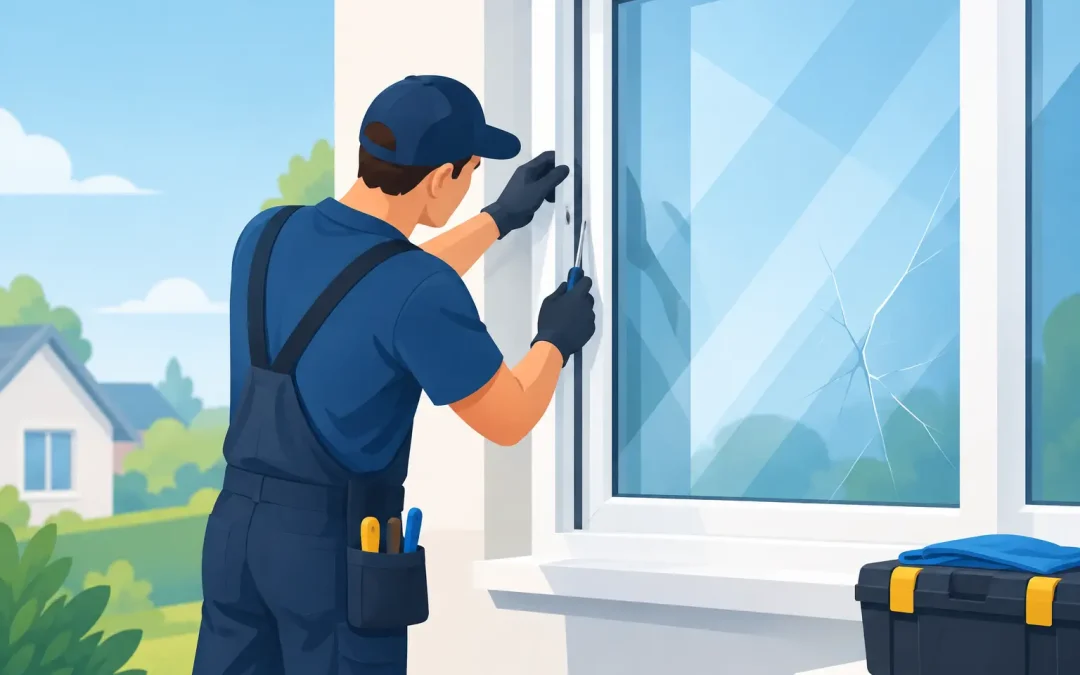
A cracked bedroom window, a shattered shopfront or a broken glass door changes the feel of a property straight away. It is not just untidy. Sharp fragments can injure children, pets, staff or visitors, while an open window can affect security and leave the home exposed to wind and rain. Prompt window repairs are about making the area safe first, then restoring the glass properly.
The right fix depends on what has been damaged, where it sits and how the glass failed. Sometimes a straightforward replacement is all that is needed. In other cases, the break may point to a failing frame, a door alignment issue or glass that is no longer suited to the location. A qualified glazier can assess the full picture and explain the practical options without making it complicated.
Make Broken Glass Safe Before Repairs Begin
If glass has broken, keep people away from the area. Do not let children or pets walk near the fragments, even if the larger pieces have already been picked up. Small splinters can travel further than expected, especially when a pane has shattered across a hard floor, deck or footpath.
Start by closing off the space if you can. Wear enclosed shoes and sturdy gloves before carefully collecting larger loose pieces. A broom and dustpan are useful for visible fragments, but avoid pressing on cracked glass or trying to pull pieces from a frame. Glass under tension can shift suddenly.
For a broken window or door, it also helps to think about weather and security. Move valuables away from the opening, close internal doors to limit drafts, and use a temporary cover only if it can be fixed safely. Cardboard or a taped plastic sheet may reduce wind and rain for a short time, but it is not a secure substitute for glazing.
Avoid these common mistakes while you wait for a glazier:
- Do not tape over heavily fractured glass and assume it is safe to use.
- Do not force a cracked sliding door or window open and shut.
- Do not leave broken glass in household rubbish bags where it could injure someone.
- Do not try to cut replacement glass yourself unless you have the right training and equipment.
If the damage is in a commercial entrance, a ground-floor window or another exposed location, arrange assessment as soon as possible. The sooner the opening is secured, the sooner normal use of the property can resume.
When Window Repairs Are Enough
Not every damaged pane requires a full window replacement. If a single pane has been smashed but the frame is sound, a glazier can usually remove the broken glass, measure the opening accurately and fit a replacement suited to the window.
Small chips and cracks need a closer look. A minor chip near the edge of a pane can spread with temperature changes, vibration or everyday movement. A crack that appears stable today may run across the glass after a cold night, a slammed door or a gusty Auckland afternoon. In most residential windows, replacing damaged glass is the safer and more reliable option than waiting to see whether it worsens.
The location matters too. Glass in doors, low-level windows, bathrooms and areas close to walkways may need safety glass. Toughened or laminated glass is designed for situations where impact and human contact are more likely. A glazier will check the application and select glass that is appropriate for the job, rather than simply matching thickness by eye.
For double-glazed units, the issue is sometimes less obvious. Condensation or a milky appearance between the panes can indicate that the sealed unit has failed. The glass may not be visibly broken, but its insulation performance has been compromised. Depending on the window system, the sealed unit can often be replaced while retaining the existing frame.
Signs the Frame Needs Attention Too
Glass can break because of an accident, but it can also be the symptom of a larger problem. Timber frames may swell, rot or lose their shape over time. Aluminium joinery can suffer from worn rollers, drainage issues or movement around the opening. If a window has become difficult to close, rattles in the wind or shows recurring cracks, mention it when booking the repair.
A good assessment looks beyond the damaged pane. The glazier should check whether the glass is sitting correctly, whether beads and seals are secure, and whether the sash or door is putting pressure on the panel. Replacing glass without addressing a badly misaligned door, for example, can leave the same problem waiting to happen again.
This is particularly relevant for sliding doors. If the door drags, catches or needs a hard push to move, do not ignore it after the new glass is installed. The rollers, track or frame may need attention to protect the replacement panel and make daily use safer.
What a Professional Window Repair Visit Involves
Most people want a clear answer to three questions: can it be fixed, how long will it take, and what needs to happen next? A professional glazing service should make that easy.
The process normally begins with details about the damage, such as the type of window or door, the size of the pane, whether the glass is cracked or fully broken, and whether the property needs temporary securing. Photos can help identify the likely work involved, although final measurements should be taken on site.
At the measure, the glazier confirms the dimensions, glass type and fitting method. This matters because glass is not a one-size-fits-all product. A bathroom window, a large ranch slider, a mirror and a glass tabletop all have different requirements. Accurate measuring prevents gaps, stress on the edges and costly rework.
Once the correct glass is ready, the damaged pane is removed carefully and the frame is cleaned out before installation. The new glass is fitted, secured and checked for proper operation where relevant. A considerate team will also remove broken glass and job-related debris, leaving the area tidy rather than handing you a cleanup job at the end.
For Auckland homeowners, landlords and business owners, clear communication is often as valuable as the repair itself. You need to know when the work is booked, whether temporary protection is required and what access is needed. Glass Direct has built its service around that practical support, from measuring and quoting through to installation and cleanup.
Repair, Replacement or an Upgrade?
A broken pane can be an unwelcome expense, but it can also be a sensible time to improve the glass in a problem area. This does not mean every repair should turn into a renovation. If the existing setup is safe, functional and suited to the location, like-for-like replacement is usually the most straightforward path.
An upgrade may be worth considering when the old glass is contributing to heat loss, traffic noise, poor privacy or repeated safety concerns. Obscure glass can improve privacy in bathrooms and entry areas. Laminated glass may suit locations where security is a priority. Double glazing can improve comfort in some homes, though it depends on the condition and compatibility of the existing joinery.
Landlords and property managers should also consider durability and tenant safety. Replacing a damaged pane with glass suited to the location can reduce the chance of future breakage and help keep the property in good working order. For retail and office spaces, choosing the right replacement can minimise disruption and maintain a professional appearance for customers.
Getting a Faster, More Accurate Quote
You do not need to know glazing terms before calling, but a few details will help the job move along. State whether the glass is broken, cracked, fogged or missing; whether it is in a fixed window, opening sash, door, mirror or tabletop; and whether there is immediate access or security concern.
If it is safe to do so, take a photo from both sides and include a rough measurement of the visible glass. Let the glazier know if the pane has a pattern, tint, obscure finish or safety marking. These details help avoid assumptions and give you a more useful indication of the work required.
For insurance-related damage, keep photographs of the affected area and note when it happened. Your insurer may have its own claim process, but prompt repair still matters when the glass creates a safety or security issue. An experienced glazing team can provide the repair information you need while you organise the claim.
Broken glass rarely arrives at a convenient time. Deal with the immediate hazard, keep the area clear and get an experienced glazier to assess it. A proper repair gives you more than a new pane of glass – it brings your home, rental or workplace back to being safe, secure and ready to use.