
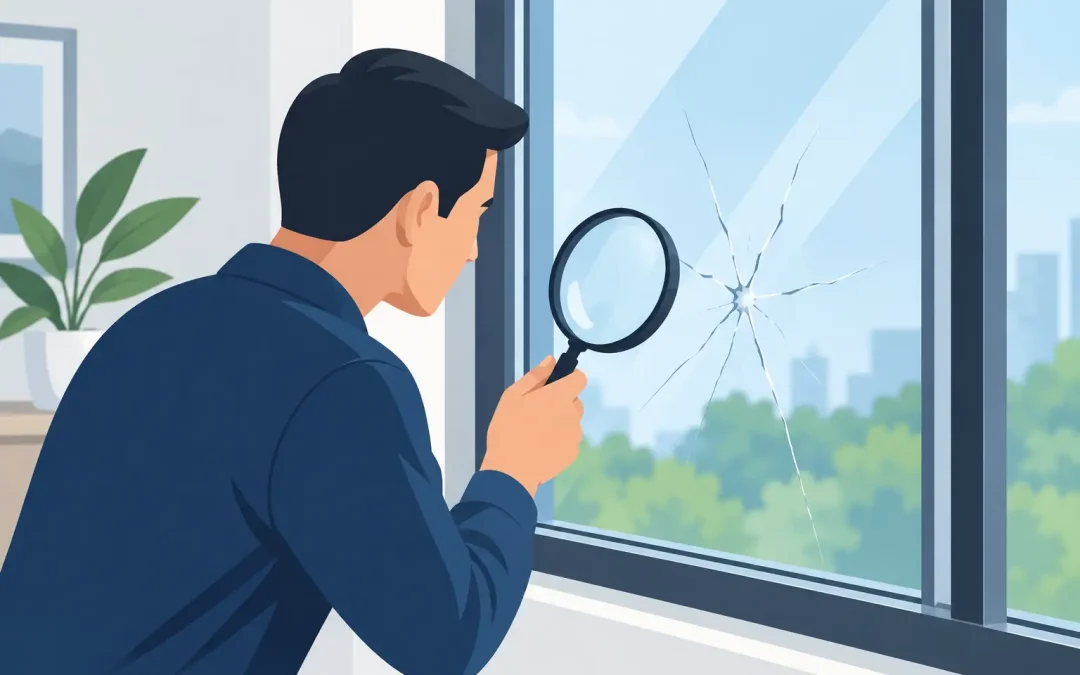
A crack in a window rarely stays the same for long. A small line near the edge can spread after a cold night, a slammed door or the next windy day, leaving your home less secure and the glass harder to replace safely. Knowing how to assess cracked windows helps you make a calm call: protect the area now, then arrange the right repair before a minor issue becomes broken glass.
The first job is not working out whether the crack looks bad. It is making sure nobody gets hurt. Keep children and pets away, avoid pressing on the pane, and do not try to force a stuck window open or shut. If glass is loose, shattered or bowing in the frame, treat it as urgent.
How to Assess Cracked Windows Safely
Start by looking at the glass from both inside and outside, if it is safe to do so. Good daylight will show the shape and full length of the crack better than a quick glance from one side. Take clear photos before covering or cleaning around the area. They can help a glazier identify what is needed and may be useful if you are making an insurance claim.
Look for whether the damage is a single hairline crack, a star-shaped impact mark, several branching cracks, or a crack that runs from the edge of the glass. Each pattern tells a slightly different story. A small impact point might come from a stone, a ball or something striking the pane. A clean crack beginning at an edge can indicate pressure in the frame, movement in the building or a temperature-related problem.
Do not run your fingers along the crack. Even glass that appears smooth can have sharp raised edges or be ready to give way. Instead, stand back and check whether the pane is still sitting firmly in its frame. Signs such as rattling glass, gaps around the putty or beading, visible movement, or a section that looks pushed in or out mean the window needs prompt professional attention.
It also helps to check the room and location. A cracked bathroom window, a low pane beside a walkway, a shopfront, or glass near a door presents more risk than an upper-floor pane well away from foot traffic. If the window provides security for your home, garage or business, do not leave it exposed while you wait for a permanent repair.
The Signs That Tell You How Urgent It Is
Not every cracked pane requires an after-hours call, but it does require a plan. The urgency comes down to safety, security and whether the glass is likely to fail further.
A window should be treated as an urgent job when there are loose pieces, a hole, shattered sections, sharp exposed edges or cracks spreading across most of the pane. The same applies when the broken window leaves an accessible entry point, lets heavy weather inside, or sits where people could brush against it. Cover the opening only if you can do so without touching unstable glass. Keep the covering light and secure around the frame, rather than taping directly over cracked sections that could shift.
A short, stable-looking crack in a pane that is still secure may allow time to book a repair during normal hours. That does not mean it is safe to ignore. Changes in temperature, vibration from nearby doors, wind pressure and everyday frame movement can make a small crack travel quickly. If the damage is in a rental property, let the landlord or property manager know straight away and document the condition with photos.
For business owners, the question is also about disruption. A cracked glass door, reception window or street-facing panel can affect staff safety, customer confidence and premises security. Acting early gives you more control over timing and helps avoid an inconvenient breakage during trading hours.
What the Crack Pattern Can Mean
A glazier will inspect the full window before recommending a solution, but knowing the common causes can help you explain what happened.
An impact crack usually has a noticeable point in the centre, with lines spreading out from it. You may also see a small chip or a mark where the object struck. This can happen from garden work, a wayward cricket ball, flying debris or accidental knocks during moving and cleaning.
A thermal crack often starts at the edge of the glass and grows inward. It may develop when one part of the pane heats up much faster than another, such as when strong sun hits a shaded window, a blind traps heat against the glass, or a heater sits too close. Thermal stress is not always obvious at first, which is why a crack can seem to appear for no clear reason.
Cracks around the edge or corners can also point to a framing issue. Timber can swell and shrink, aluminium frames can move with temperature changes, and older putty or seals can stop supporting the glass properly. If the window is difficult to open, sticks after rain, or has other signs of movement, mention that when arranging an assessment. Replacing the pane without addressing the cause can lead to repeat problems.
Double-glazed units need a slightly different check. If you can see moisture, fogging or streaks between the two panes, the sealed unit may have failed even if the glass is not fully broken. A visible crack in either pane still needs attention, but condensation between the layers is an additional sign that the unit is no longer performing as it should.
Check the Frame, Not Just the Glass
Glass damage is sometimes only part of the job. Look around the frame for damaged beads, loose putty, cracked timber, corroded fittings or seals that have pulled away. Water marks on the sill or wall can indicate that rain is already getting past the window.
You do not need to diagnose the repair yourself. In fact, trying to pull out old glass or scrape away glazing compound can turn a straightforward replacement into a messier and riskier job. A qualified glazier can measure the opening accurately, identify the right glass type and check that the frame will hold the new pane securely.
This matters particularly for safety glass. Toughened glass breaks into many small pieces when it fails, while laminated glass is designed to stay held together by an inner layer. The correct replacement depends on where the window is located and how it is used. Doors, low-level glazing, bathrooms and areas near stairs may have different safety requirements from an ordinary fixed window.
What to Do While You Wait for Repair
Once you have assessed the risk, keep the area clear and avoid making the crack worse. Do not slam nearby doors, lean objects against the window, or use the window if it is an opening sash. Move furniture away from the pane so nobody has to reach around it.
If small pieces have fallen, wear enclosed shoes and sturdy gloves before carefully collecting them. Use a brush and pan for larger fragments, then vacuum the area to pick up fine splinters. Check rugs, window sills and the footpath or deck outside as well. Put the waste in a rigid container where possible, rather than a thin rubbish bag that could tear.
Temporary boarding can protect an opening after a break, but it needs to be installed without putting pressure on unstable glass or causing further damage to the frame. For larger panels, upper-storey windows or commercial glass, it is safer to leave temporary securing to the professionals.
When to Call a Glazier
Call as soon as you see spreading cracks, loose glass, compromised security, rain entering the property or damage in a high-contact area. When you call, share the window location, approximate size, whether it is single or double glazed if known, and a photo of the damage. That gives the glazier a better chance of preparing the right materials and organising a smooth repair.
Glass Direct handles cracked and broken household and commercial glass with qualified glaziers, accurate measuring and cleanup after the work is done. The aim is simple: make the damaged area safe, replace the glass properly and get your day moving again.
A cracked window does not need panic, but it does need attention. Keep people clear, record what you can see, and arrange an expert assessment before changing weather or everyday movement turns one crack into a much bigger problem.