
A broken bedroom window after a storm, a cracked sliding-door panel, or a bathroom mirror damaged during a move can quickly become more than a maintenance job. It affects security, weather protection and a tenant’s sense of safety at home. This rental property glazing guide helps landlords and property managers make clear decisions, act quickly when needed, and avoid turning a straightforward repair into a longer vacancy or tenancy issue.
Start with safety, security and weather
When glass breaks, the first priority is not working out who pays. It is making the property safe. Ask the tenant to keep children and pets away from the area, avoid touching loose shards, and close off the room if they can do so safely. A smashed window or glass door may also leave the home exposed to rain, wind or unwanted entry, so it needs prompt attention.
A glazier can assess the opening, remove broken glass safely and arrange a suitable replacement. If the correct glass is not immediately available, temporary boarding or securing may be needed first. This is particularly useful for large sliding doors, shopfront-style windows, obscure bathroom glass and custom-sized panels.
It helps to ask for a few clear photos before anyone attends. Photos can show whether the pane is fully broken, cracked but still intact, or part of a larger issue such as a damaged frame, faulty door roller or impact point. They also provide a useful record for your property file and any insurance claim.
Know what needs fixing now and what can be planned
Not every crack creates the same level of urgency. A shattered window, a broken external door panel, or glass with sharp loose pieces needs immediate action. A small crack in a fixed internal pane may be less urgent, but it should still be inspected. Glass can weaken around a crack, and a small problem can become a full break after a slammed door, changing temperatures or another knock.
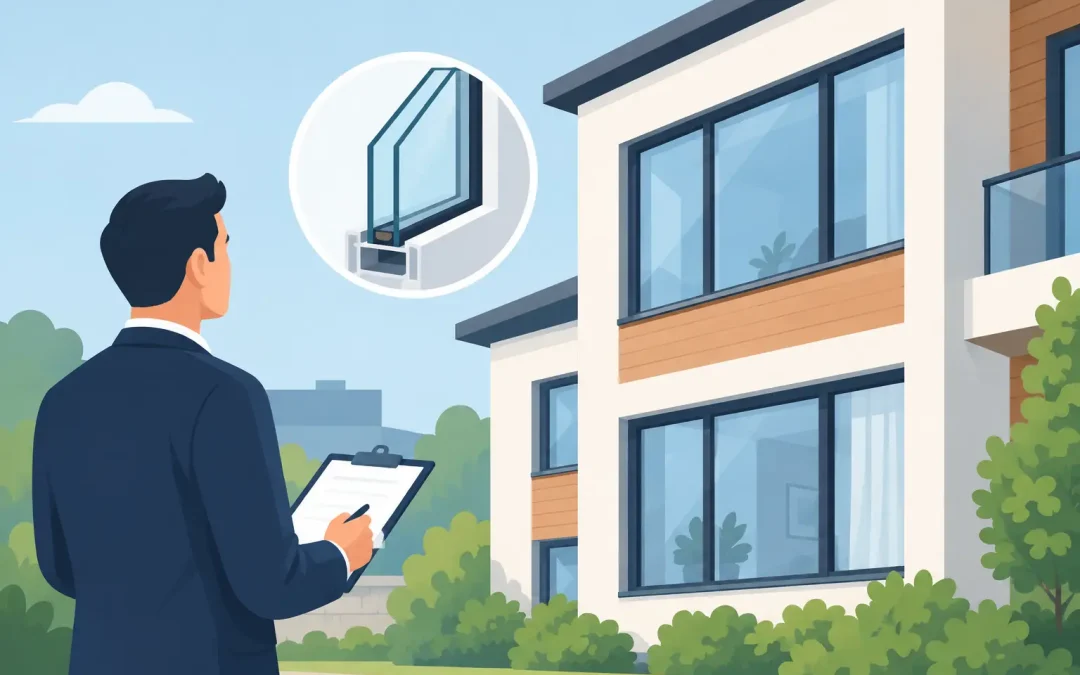
External glazing deserves extra attention because it helps keep the property dry, secure and comfortable. A failed seal in an insulated glass unit may show up as moisture or haze between the panes. It may not be an emergency, but it can affect insulation, visibility and the look of the home. Schedule the replacement before it becomes a complaint at the next inspection.
For rental properties, the practical rule is simple: make the hazard safe first, then sort out cost, responsibility and any longer-term improvements with proper information in hand.
Rental property glazing guide: work out the cause
Before approving a replacement, establish what happened. Was the glass damaged by a storm, a break-in, an accidental impact, wear around an old frame, or a tenant’s actions? The answer can affect insurance, maintenance records and how costs are handled under the relevant tenancy agreement.
Avoid making assumptions from a photo alone. For example, a crack close to the edge of a pane can point to pressure from the frame, while a concentrated impact mark may suggest a direct hit. A qualified glazier can often identify whether the surrounding frame, beading or door hardware also needs attention. Replacing the pane without correcting the cause can mean paying for the same repair twice.
Keep communication calm and factual. Let the tenant know when the property will be made safe, what access is needed and whether a follow-up visit is required. If responsibility is unclear, document the condition and check the tenancy agreement, insurance policy and local tenancy requirements before deciding how the cost will be allocated.
Choose glass that suits the opening
Replacement glazing is not a one-size-fits-all job. The right choice depends on where the glass sits, how the door or window is used, the existing frame and any applicable safety requirements. Matching the old pane exactly is sometimes sensible, but a replacement is also a chance to fix a weak point in the property.
Safety glass in high-risk areas
Doors, low-level windows, bathroom areas and glass near walkways can require safety glass. Toughened glass is designed to break into small, blunt pieces, while laminated glass holds together with an interlayer when broken. Both have their place, but they do different jobs.
Toughened glass is common in doors, shower screens and other areas where impact safety matters. Laminated glass can be a good option where holding the pane together after breakage helps improve security or reduce the immediate opening created by a break. Your glazier can confirm what is appropriate for the location rather than simply fitting the cheapest available pane.
Privacy, light and everyday use
A bathroom or toilet window may need obscure glass to maintain privacy without losing natural light. A ground-floor bedroom window facing a shared driveway might benefit from the same approach. For a rental, choose finishes that are practical to clean and unlikely to date quickly.
Sliding doors and frequently used windows should also be checked for smooth operation. A new glass panel will not solve a door that drags, rattles or does not lock properly. Raise these issues at the measure so the job can be scoped properly.
Comfort and energy costs
If an older rental has single glazing throughout, replacing one broken panel with the same type may be the most practical short-term answer. If several units have failed, or the property has ongoing condensation and heat-loss complaints, it may be worth discussing insulated glass units or a staged upgrade plan.
There is a trade-off. Higher-performance glazing costs more upfront and may require compatible frames, but it can improve comfort and reduce drafts. For a landlord, the best choice depends on the property’s age, the condition of its joinery, the local climate and how long you intend to hold it.
Make repairs easy for tenants and managers
Fast repairs rely on good information and clear access arrangements. When reporting a glazing issue, record the property address, room, approximate pane size, type of damage and whether the opening is secure. Include photos of the full window or door as well as a close-up of the damage.
A free measure is particularly useful for custom glass, mirrors, shower panels and unusual aluminium or timber frames. Accurate measuring avoids delays caused by ordering a panel that is close, but not quite right. It also gives the glazier a chance to identify hidden issues with seals, beads, frames or hardware.
Let the tenant know what to expect on the day. They may need to move furniture away from the work area, keep pets in another room and allow access to both sides of the glass. A professional job should include safe removal of broken material and a proper clean-up before the installer leaves.
For property managers, use one consistent process across your portfolio. Ask tenants to report damage promptly, store photos and invoices against the property record, and note the glass type used for future reference. That makes repeat repairs, insurance queries and routine maintenance far easier to manage.
Use inspections to prevent avoidable breakages
You cannot prevent every accident, but regular inspections can spot glazing problems before they become urgent. Check external windows and doors for loose putty or beading, damaged seals, rattling panes and hard-to-operate locks. Look for moisture between double-glazed panes, cracked corners and doors that are catching on the frame.
Pay close attention to these common trouble spots:
- Sliding doors that are difficult to open or close
- Bathroom windows with deteriorated seals or obscure glass damage
- Low windows and glazed doors in high-traffic areas
- Old mirrors, tabletops or internal glass panels with chips at the edges
Small chips and worn fittings are worth addressing during planned maintenance, when access and scheduling are simpler. They are generally less disruptive than an emergency callout on a wet weekend or just before new tenants move in.
A rental property does not need fancy glazing everywhere. It needs glass that is safe, fitted correctly and suited to the way people use the home. When damage happens, act early, get the opening assessed properly and keep the tenant informed. That is how a broken pane stays a manageable repair rather than a bigger problem for everyone.