
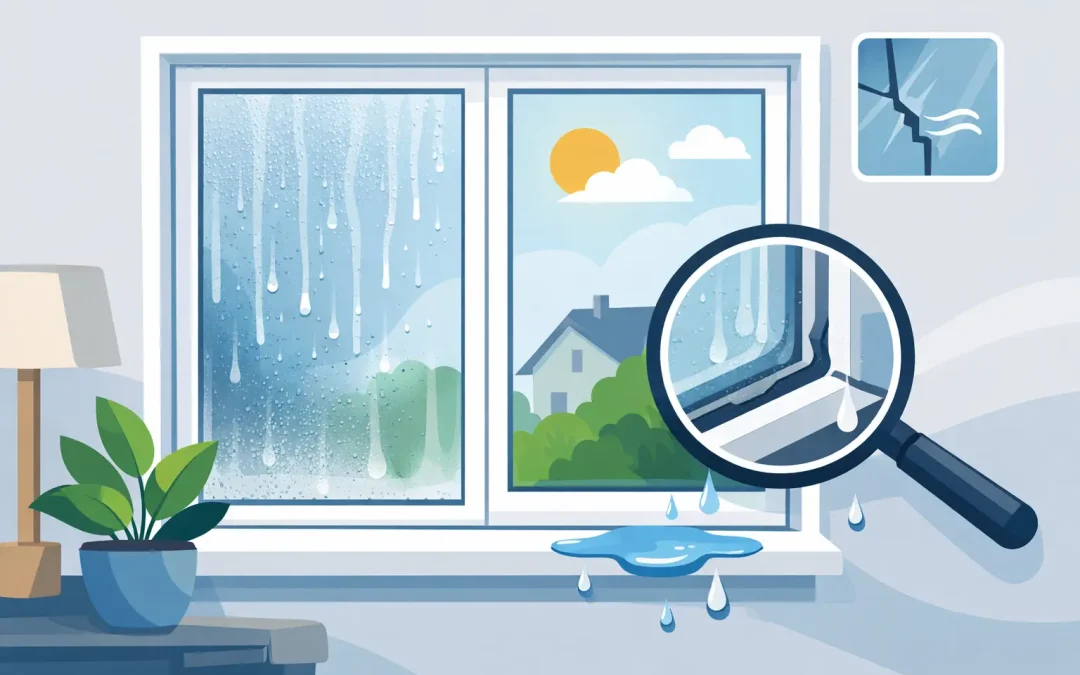
A clear view that slowly turns misty is more than an annoyance. It can be one of the top signs of window seal failure, particularly in double-glazed windows. When the seal around a sealed glass unit breaks down, moisture and air can enter the space between the panes. That affects how the window looks, feels and performs – and it is worth getting checked before the problem becomes harder to ignore.
What a window seal actually does
Most modern double-glazed windows are made from two panes of glass separated by a spacer. The gap between them is sealed around the edge and may contain dry air or insulating gas. This sealed space helps reduce heat transfer, limits outside noise and makes the glass less prone to internal condensation.
The window seal is what keeps that gap dry and insulated. Over time, exposure to sun, rain, changing temperatures and everyday movement in the frame can wear it down. Poor installation, age, impact damage and failed drainage around the frame can also contribute.
A failed seal does not always mean the glass is about to fall out or that your home is exposed to the weather. But it does mean the insulated glass unit is no longer doing its job as well as it should. The sooner the cause is properly identified, the clearer your repair options will be.
Top signs of window seal failure to watch for
Condensation between the glass panes
This is the clearest sign. If you can see mist, droplets or a cloudy patch trapped inside a double-glazed unit, the seal has likely failed. You cannot wipe this moisture away because it is not on the room side or the outside surface of the glass.
It may start as a small hazy area around an edge, often most noticeable early in the morning. Over time, it can spread across the pane, leaving the window looking permanently dirty or fogged.
A milky, cloudy or streaky appearance
Not every failed seal produces obvious water droplets. Sometimes the first clue is a dull, milky film between the panes, or streaks that remain no matter how thoroughly you clean the window.
This happens when moisture enters the sealed space and leaves mineral deposits or affects the internal coating on the glass. In some cases, sunlight makes the haze easier to spot. A window may look fine on an overcast day, then show a noticeable cloudy patch when the sun hits it.
Draughts or a cold area near the window
A double-glazed unit with a failed seal can lose some of its insulating performance. You may notice the room feels cooler beside that window, particularly during winter or on windy days. The inside pane can also feel colder to the touch than other comparable windows in the home.
That said, a noticeable draught does not automatically mean the glass seal has failed. It may be coming from worn opening seals, gaps between the frame and wall, or an issue with a sliding or hinged window mechanism. A proper inspection separates a glass-unit problem from a frame or installation issue.
More condensation on the room-side glass
If your windows regularly collect moisture on the inside surface, reduced insulation could be part of the reason. When the inner pane gets colder, warm indoor air can condense on it more easily.
However, indoor condensation has other common causes. Shower steam, cooking, clothes drying indoors, limited ventilation and high household humidity can all create it. A failed seal may make the problem worse, but it is not always the main cause.
Rising heating or cooling costs
A single failed unit will not necessarily explain a dramatic jump in energy bills. Still, if several double-glazed windows are fogging up or feeling cold, your home may be losing more heat than it should.
Windows are only one part of the picture. Ceiling insulation, wall insulation, doors, ventilation and gaps around joinery all affect comfort and running costs. Think of a failed glass seal as one worthwhile item to address, rather than assuming it is the whole answer.
Discolouration or deterioration around the glass edge
Take a close look around the perimeter of the pane. You may see staining, dark marks, corrosion, a damaged spacer bar or a patch where the edge looks different from the rest of the unit. These signs can point to moisture getting where it should not be.
On older windows, the external glazing seals or putty may also look cracked, shrunken or loose. This is not always the same as a failed seal inside a double-glazed unit, but it can allow water into the frame and lead to bigger issues if left unattended.
The glass looks distorted or has an unusual rainbow effect
Some failed units develop a slight distortion, rippling or oily-looking rainbow pattern between the panes. This can happen when the internal environment of the unit changes or when moisture affects coatings inside the glass.
Distortion can also be caused by toughened glass, reflections or the angle of the light, so it needs an experienced eye. If the view through one pane looks markedly different to the rest, it is sensible to arrange an assessment.
Condensation is not always a failed seal
Before assuming replacement is needed, check where the moisture is sitting. Condensation on the room side of the glass can usually be wiped off. It often points to humid air inside the home meeting a cool surface. Better ventilation, using extractor fans and managing moisture sources may help.
Condensation on the outside of a window is also not usually a fault. In fact, it can happen when efficient glazing keeps the outer pane cool while outdoor air is humid. The key warning sign is moisture or cloudiness that is trapped between two panes and cannot be cleaned from either side.
Single-pane windows work differently again. They do not have an internal cavity seal like double glazing, so misting between panes is not possible. With single glazing, the concern may instead be cracked glass, failing putty, loose beads or gaps around the frame.
What to do when you spot a problem
Start by taking a few clear photos when the fogging or cloudiness is visible. Note whether it changes with the weather, and whether you can feel cold air around the opening. This gives a glazier useful information before they attend.
Avoid drilling holes into the glass, trying to pull apart the unit or applying household sealant around the edge as a quick fix. These attempts rarely restore the insulation of a failed sealed unit and can make safe replacement more difficult. If the glass is cracked, chipped or loose as well as fogged, keep children and pets away from the area and arrange help promptly.
For rental homes, let the landlord or property manager know early. For commercial premises, a cloudy or damaged window can affect appearance, comfort and security, so it is usually best dealt with before it disrupts staff or customers.
Can a failed window seal be repaired?
Often, the practical solution is to replace the sealed glass unit while keeping the existing frame. A qualified glazier measures the opening accurately, orders a matching replacement unit and fits it into suitable joinery. This can be a cost-effective option when the frame is sound and the problem is limited to the glass.
Full window replacement may be the better choice if the frame is rotten, badly corroded, warped, leaking or no longer operating properly. The right option depends on the age and condition of the joinery, the glass type, access, and whether you want to improve insulation, safety or privacy at the same time.
There is also a timing factor. A small patch of internal haze may not be an emergency, but it will not clear itself. Getting it assessed early helps you plan the work around your schedule rather than waiting until winter comfort, visibility or moisture damage becomes a bigger concern.
A foggy pane is easy to put off when life is busy. But clear, well-performing windows make a real difference to comfort at home and the look of your property. If something does not look right, a straightforward inspection can give you a clear answer and a practical next step.